Machine Learning
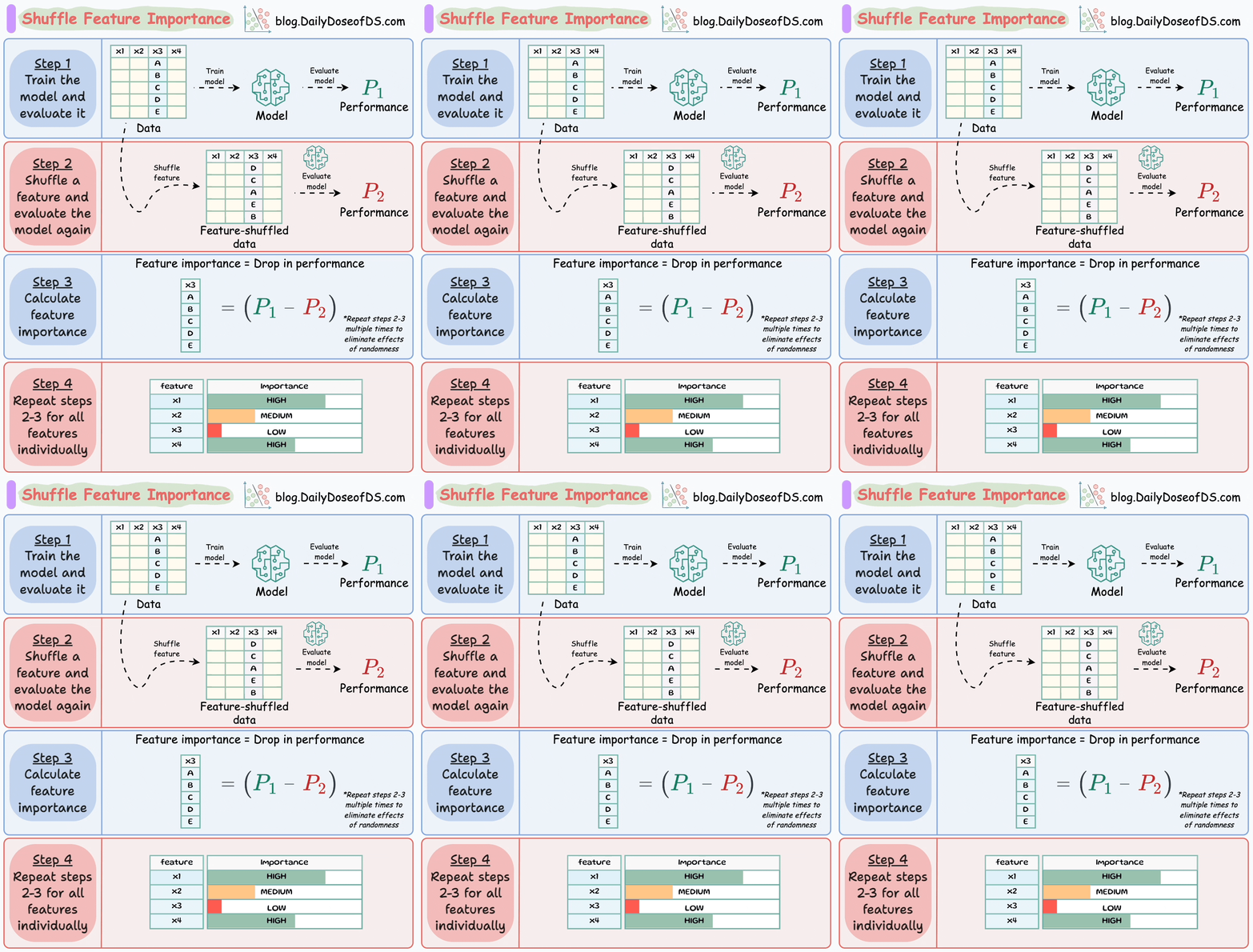
Shuffle Feature Importance
An intuitive and reliable technique to measure feature importance.

441 posts published
An intuitive and reliable technique to measure feature importance.
Model accuracy alone (or an equivalent performance metric) rarely determines which model will be deployed. Much of the engineering effort goes into making the model production-friendly. Because typically, the model that gets shipped is NEVER solely determined by performance — a misconception that many have. Instead, we also consider several
There’s so much data on your mobile phone right now — images, text messages, etc. And this is just about one user — you. But applications can have millions of users. The amount of data we can train ML models on is unfathomable. The problem? This data is private. So you
If you look at job descriptions for Applied ML or ML engineer roles on LinkedIn, most of them demand skills like the ability to train models on large datasets: Of course, this is not something new or emerging. But the reason they explicitly mention “large datasets” is quite simple to
Despite rigorously testing an ML model locally (on validation and test sets), it could be a terrible idea to instantly replace the previous model with the new model. A more reliable strategy is to test the model in production (yes, on real-world incoming data). While this might sound risky,
There are many issues with grid search and random search. * They are computationally expensive due to exhaustive search. * The search is restricted to the specified hyperparameter range. But what if the ideal hyperparameter exists outside that range? * They can ONLY perform discrete searches, even if the hyperparameter is continuous. Bayesian
A step-by-step demonstration of an emerging neural network architecture — KANs.
What are KANs, how are they trained, and what makes them so powerful?
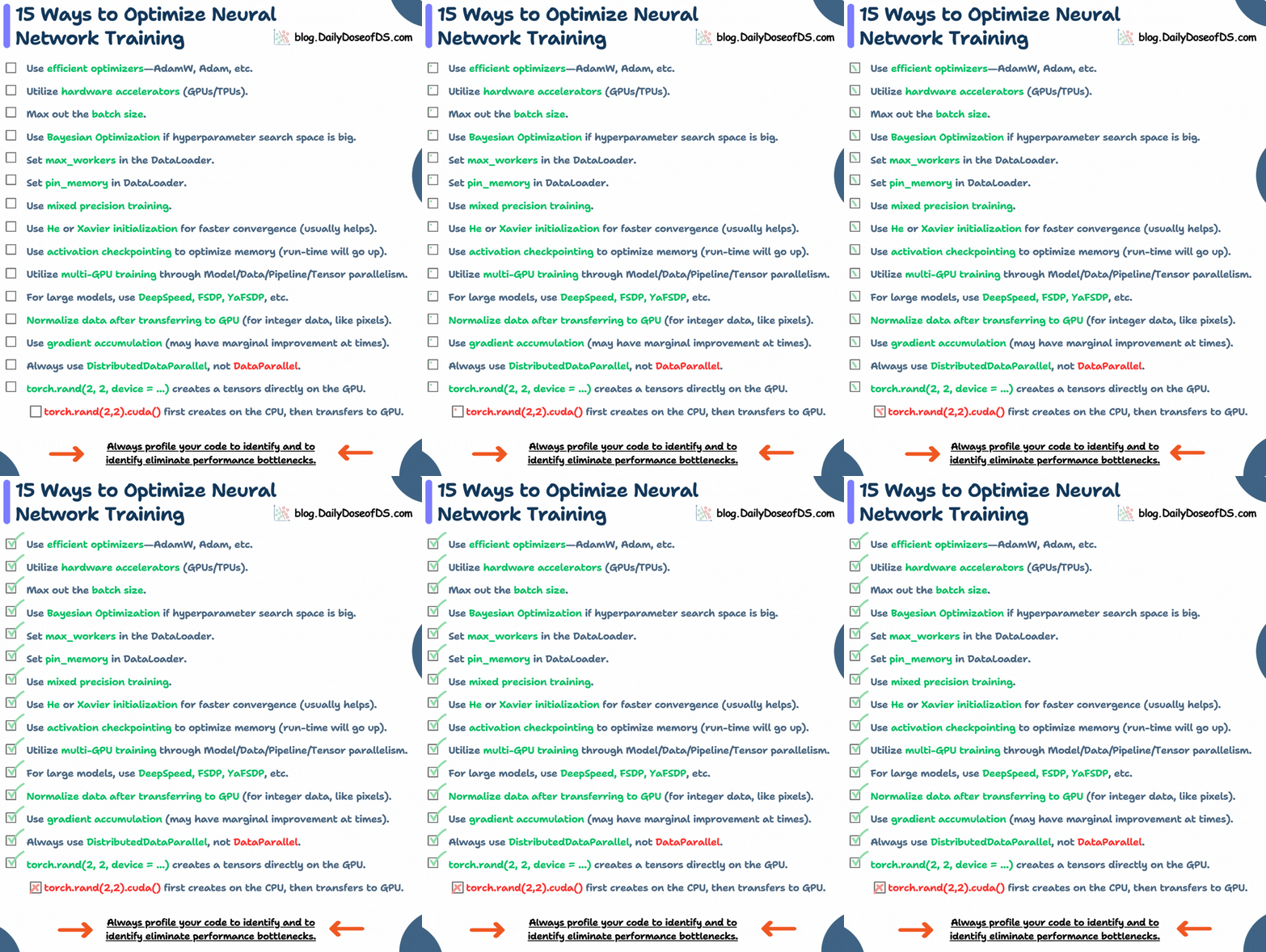
A beginner-friendly guide for curious minds who don't know the internal workings of model.cuda().
8 data science lesson I wish I had known earlier.
Techniques that help you become a "machine learning engineer" from a "machine learning model developer."
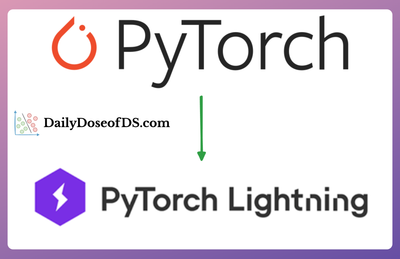
Immensely simplify deep learning model building with PyTorch Lightning.
Understanding the tradeoffs between RAG and Fine-tuning, and owning the model vs. using a third-party host.
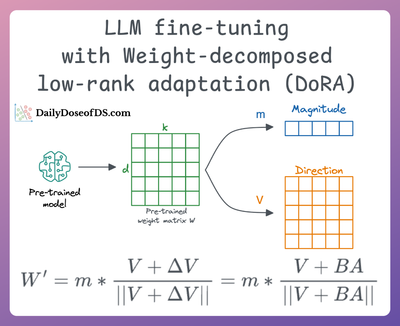
A powerful LoRA-variant explained in a beginner-friendly way and implemented in PyTorch.
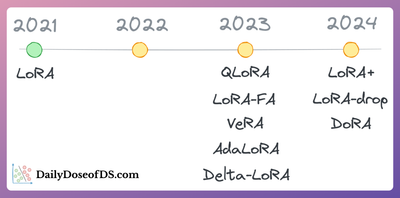
LoRA-variants explained in a beginner-friendly way.
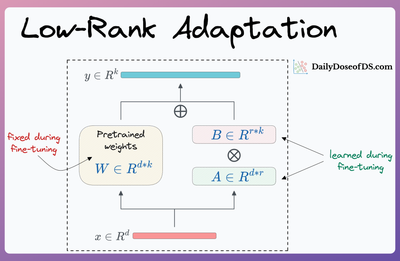
Understanding the challenges of traditional fine-tuning and addressing them with LoRA.
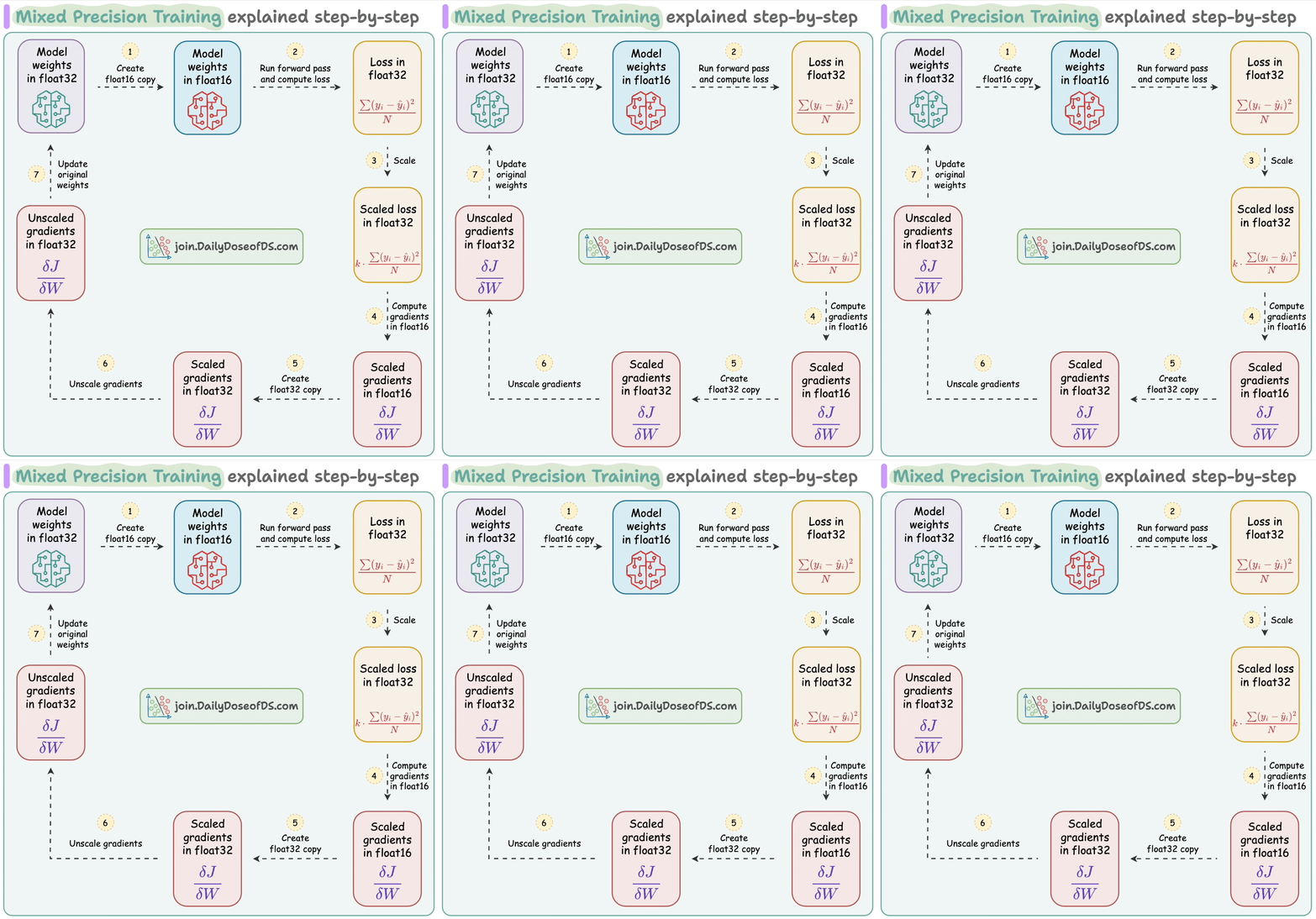
Train large deep learning models efficiently.
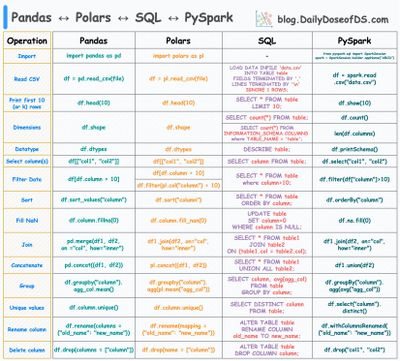
Become a Quadrilingual Data Scientist.
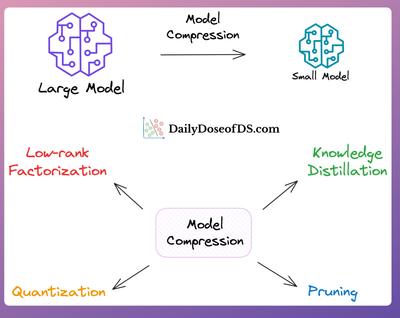
Four critical ways to reduce model footprint and inference time.
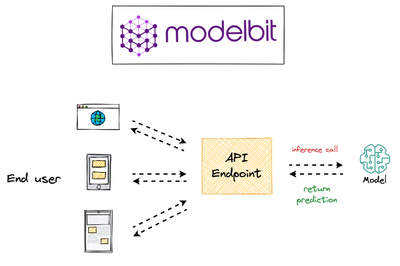
Deployment has possibly never been so simple.
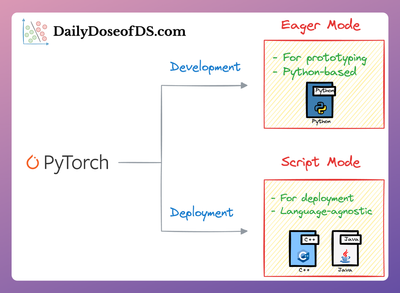
Eliminating the dependence of PyTorch models on Python.
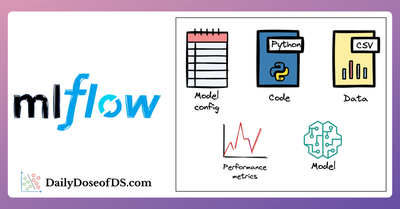
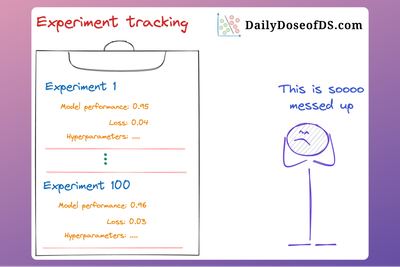
The guide that every data scientist must read to manage ML experiments like a pro.
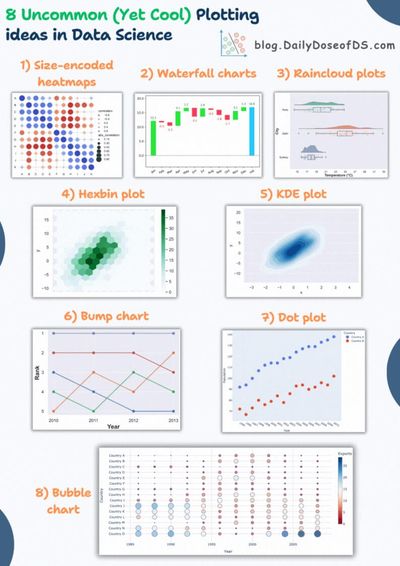
...that every Data Scientist must add in their visualisation toolkit.
The guide that every data scientist must read to manage ML experiments like a pro.
The underappreciated, yet critical, skill that most data scientists overlook.
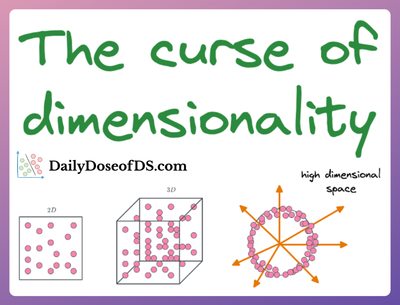
Mathematically understanding the surprising phenomena that arise when dealing with data in high dimensions.
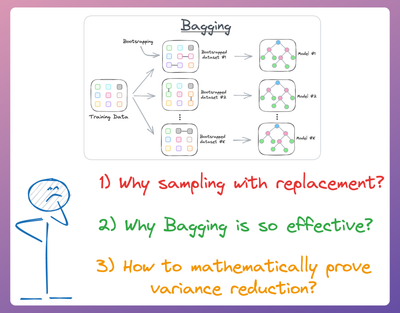
Diving into the mathematical motivation for using bagging.
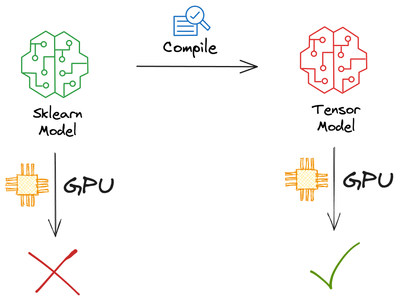
Speed up sklearn model inference up to 50x with GPU support.
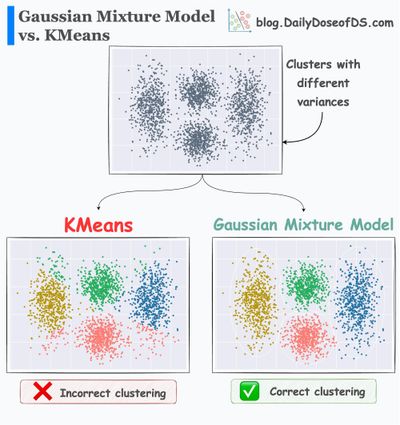
Gaussian Mixture Models: A more robust alternative to KMeans.
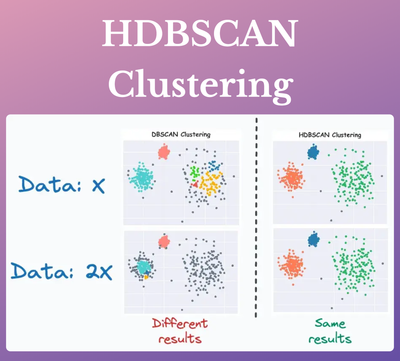
A beginner-friendly introduction to HDBSCAN clustering and how it is superior to DBSCAN clustering.