Graph ML Course
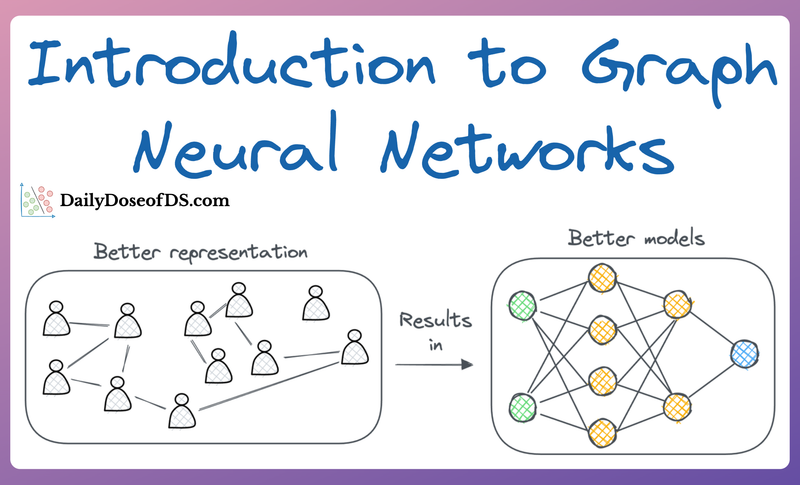
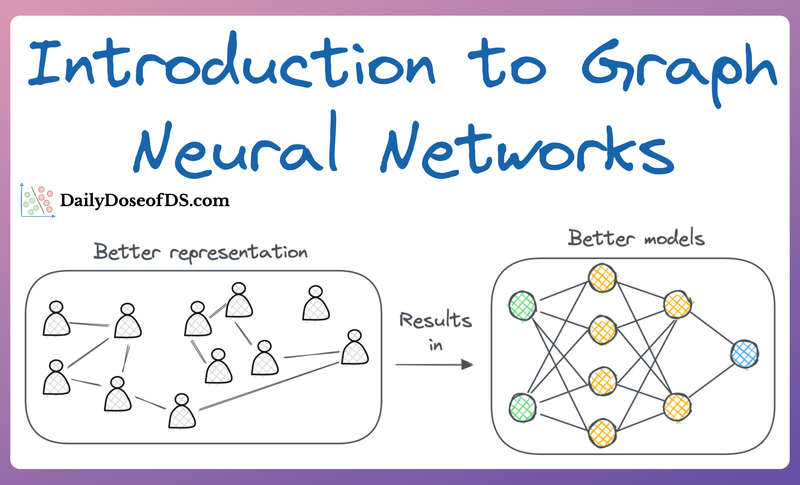
Graph Neural Networks Part 2 (Implementation Included)
A practical and beginner-friendly guide to building neural networks on graph data.

367 posts published
A practical and beginner-friendly guide to building neural networks on graph data.
A practical and beginner-friendly guide to building neural networks on graph data.
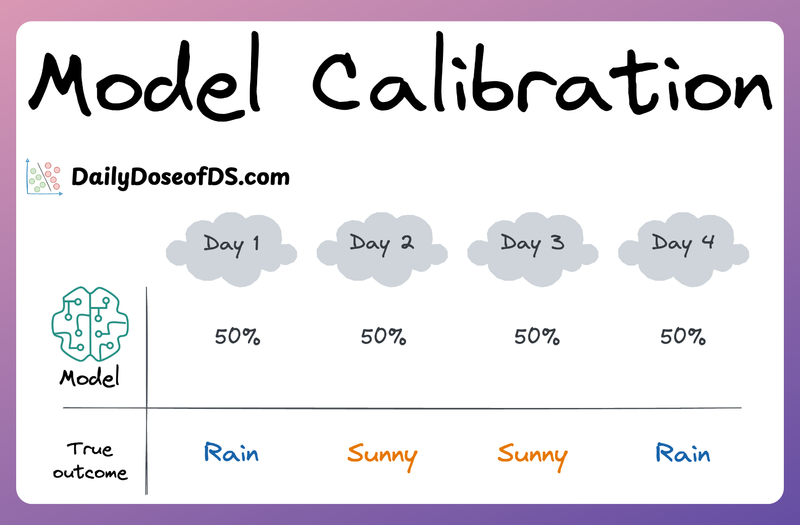
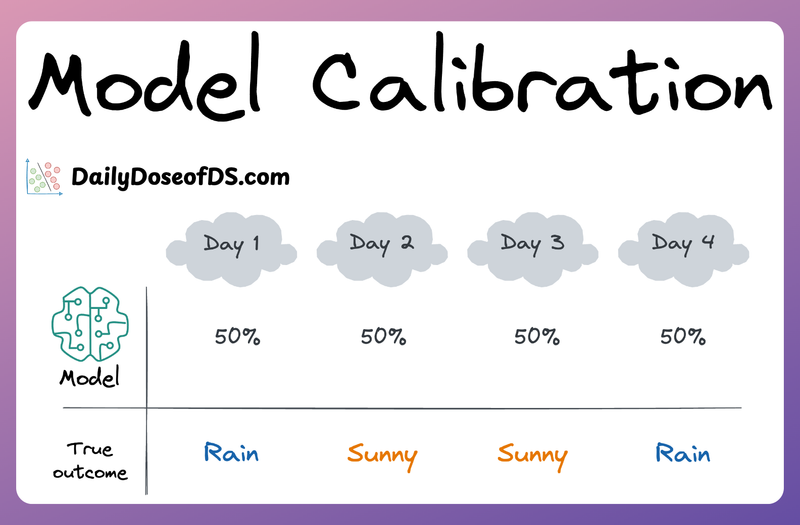
How to make ML models reflect true probabilities in their predictions?
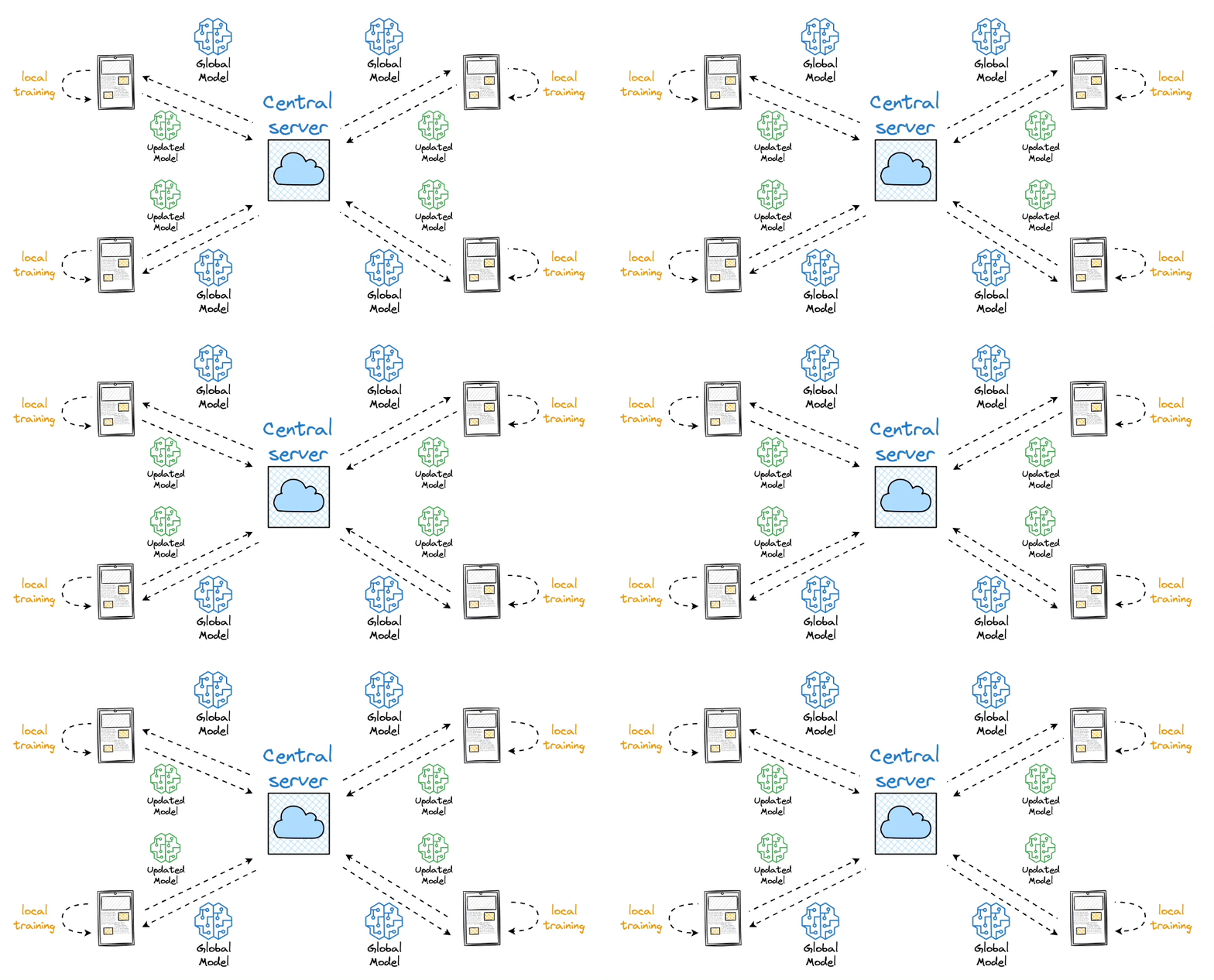
Learn real-world ML model development with a primary focus on data privacy – A practical guide.
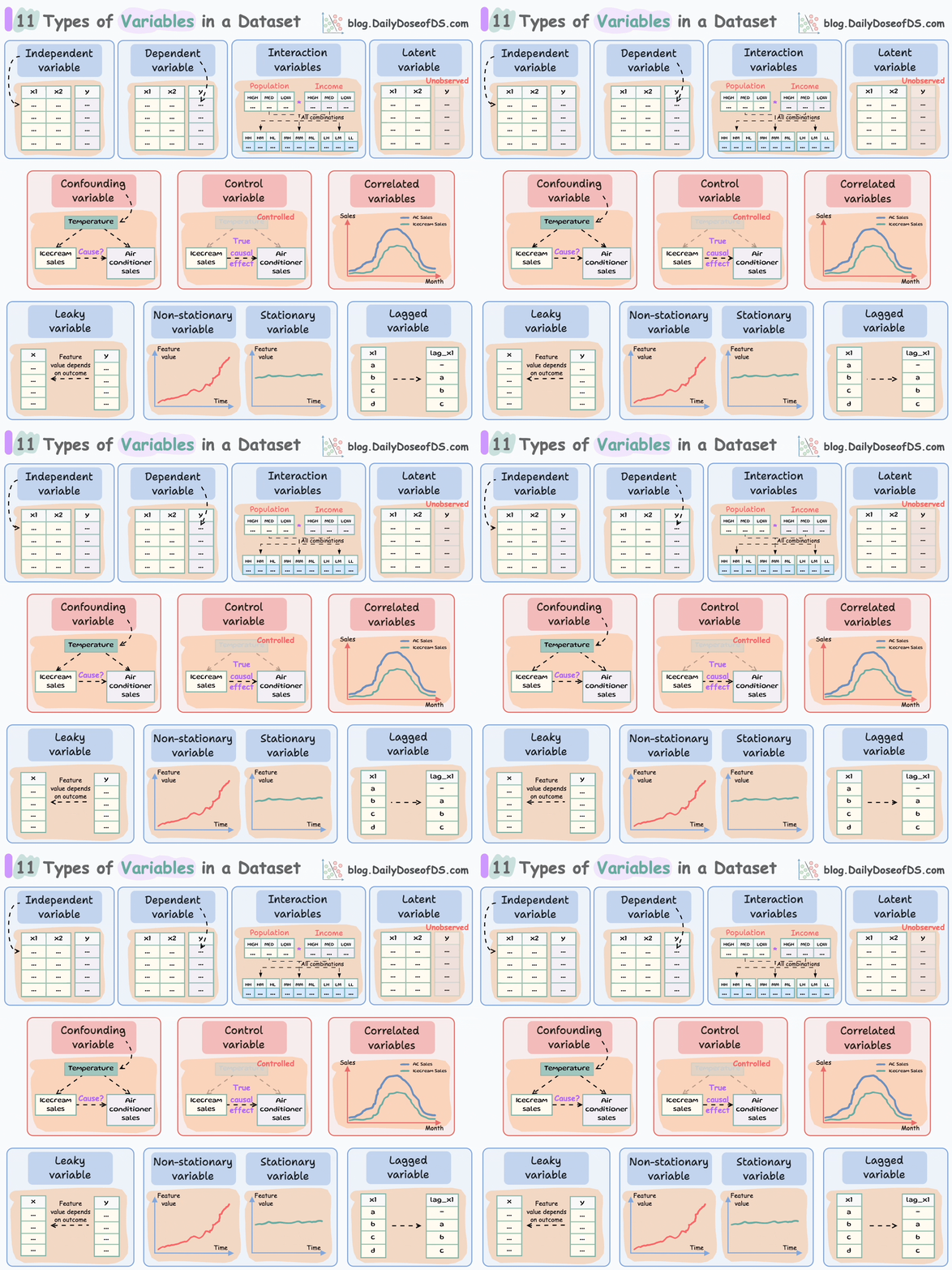
Beyond features, targets, etc.
How to make ML models reflect true probabilities in their predictions?
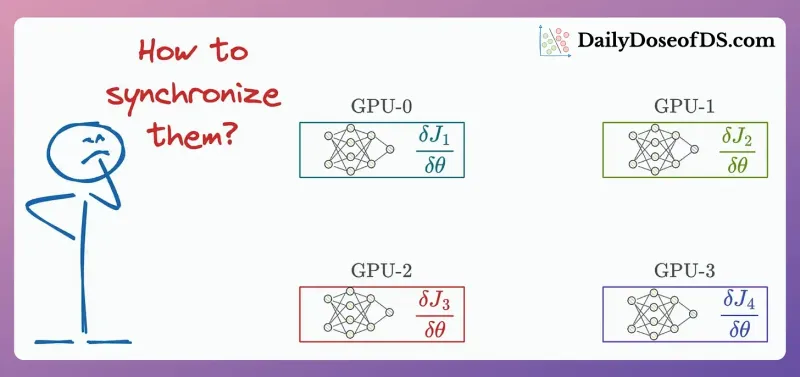
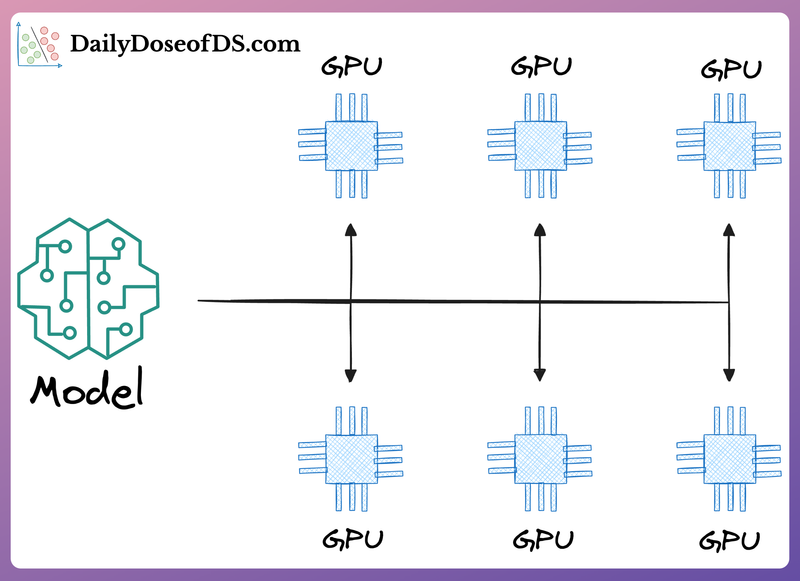
GPUs - GPU Clusters - Distributed Training.
Two synchronization algorithms for intermediate-ML models.
A critical step towards building and using ML models reliably.
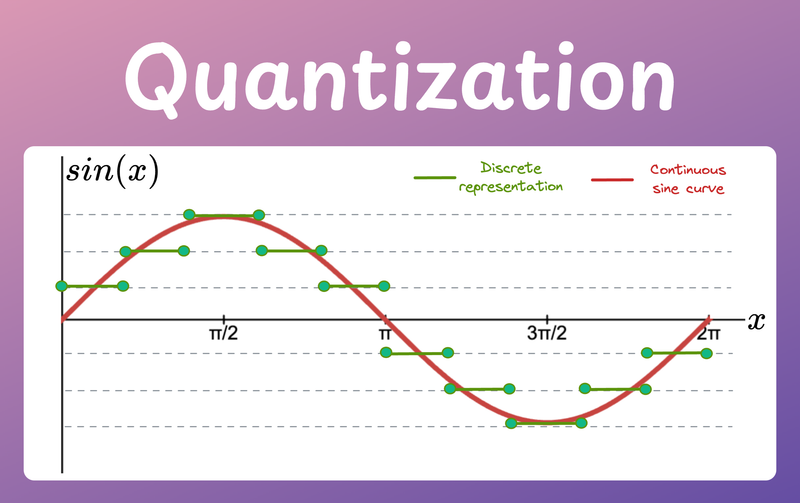
A must-know skill for ML engineers to reduce model footprint and inference time.
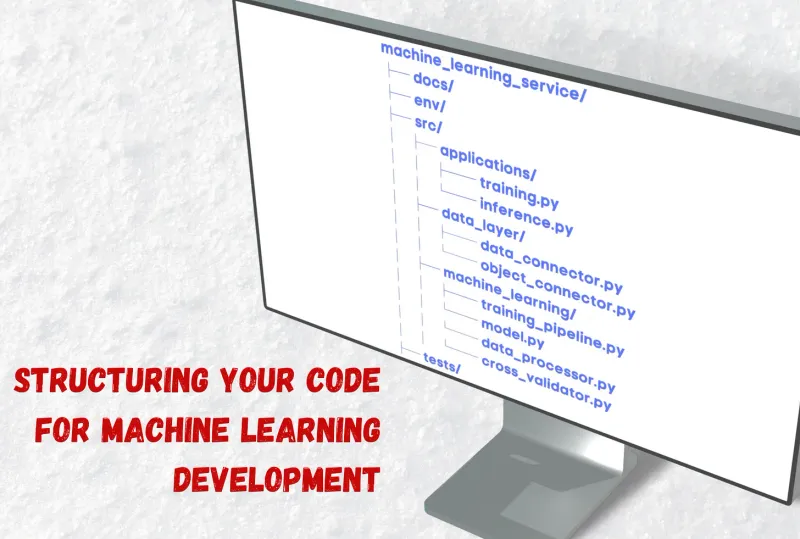
A highly overlooked yet critical skill for data scientists.
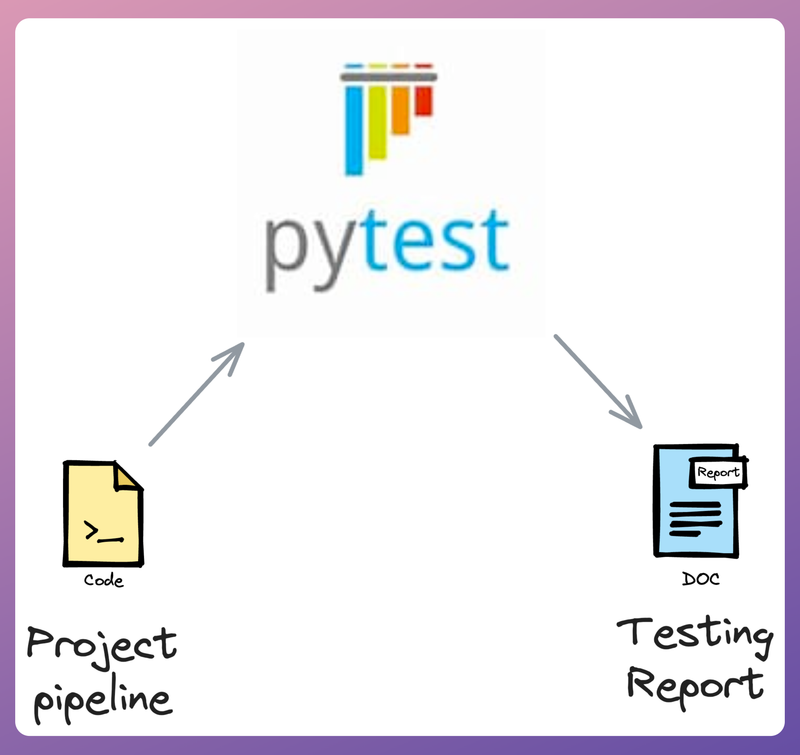
A Comprehensive Guide to Pytest for data scientists.
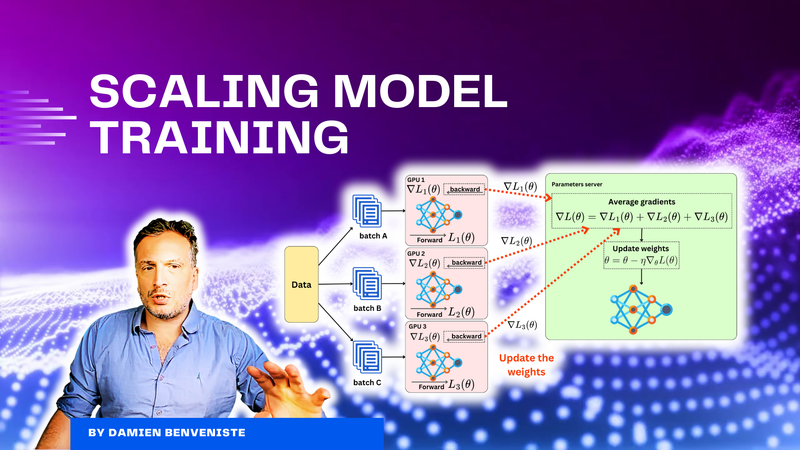
Models are becoming bigger and bigger. Learn how to scale models using distributed training.
A beginner to advanced guide for Python OOP.
Take your ML models to the next level with 11 lesser-known techniques.
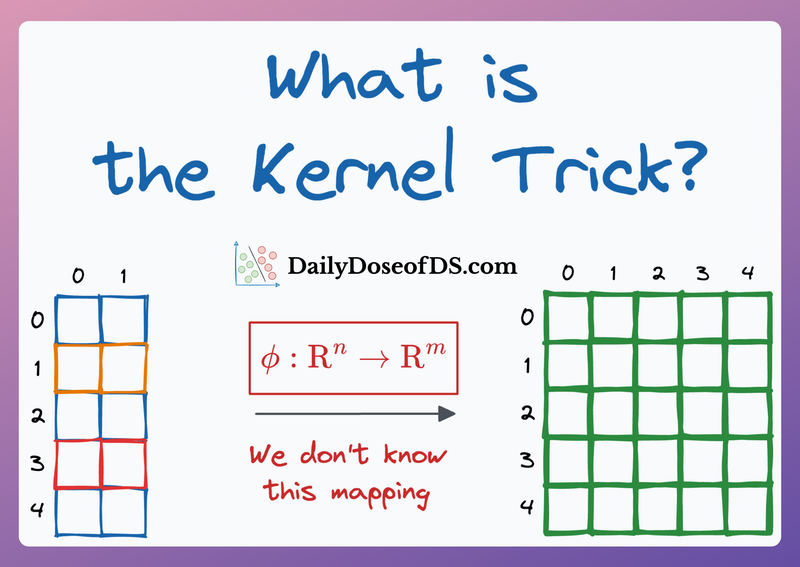
...and why it so powerful
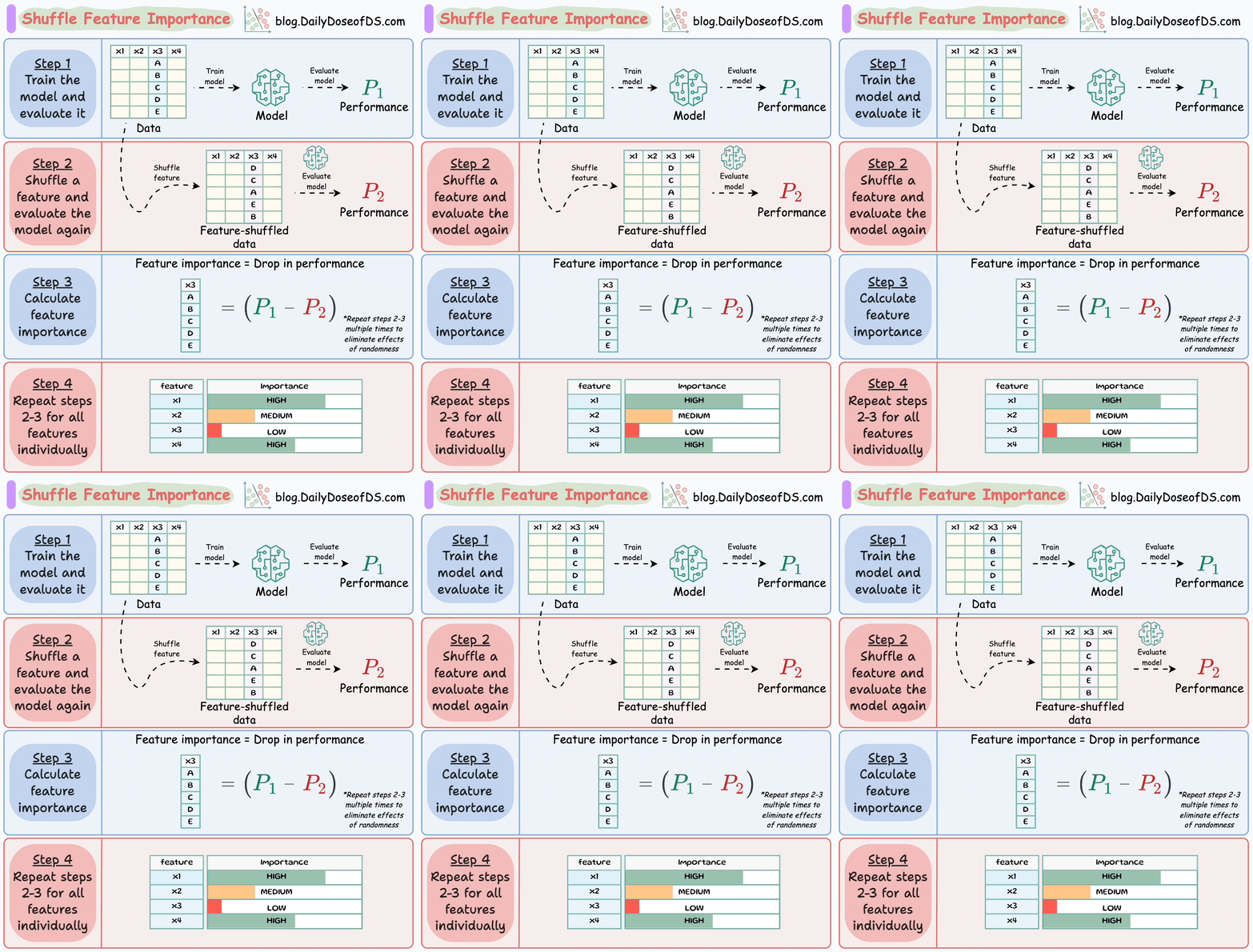
An intuitive and reliable technique to measure feature importance.
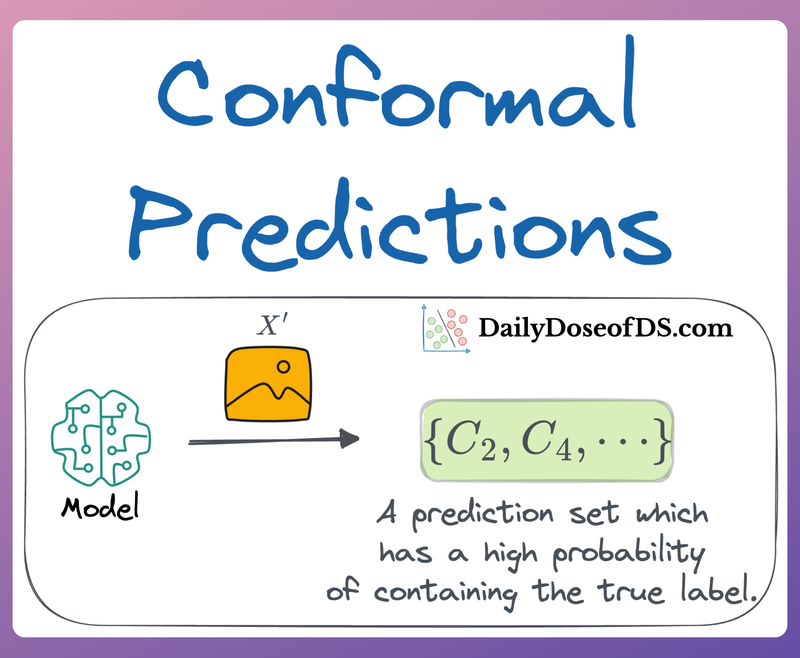
Model accuracy alone (or an equivalent performance metric) rarely determines which model will be deployed. Much of the engineering effort goes into making the model production-friendly. Because typically, the model that gets shipped is NEVER solely determined by performance — a misconception that many have. Instead, we also consider several operational
There’s so much data on your mobile phone right now — images, text messages, etc. And this is just about one user — you. But applications can have millions of users. The amount of data we can train ML models on is unfathomable. The problem? This data is private. So you
If you look at job descriptions for Applied ML or ML engineer roles on LinkedIn, most of them demand skills like the ability to train models on large datasets: Of course, this is not something new or emerging. But the reason they explicitly mention “large datasets” is quite simple to
Despite rigorously testing an ML model locally (on validation and test sets), it could be a terrible idea to instantly replace the previous model with the new model. A more reliable strategy is to test the model in production (yes, on real-world incoming data). While this might sound risky, ML
There are many issues with grid search and random search. * They are computationally expensive due to exhaustive search. * The search is restricted to the specified hyperparameter range. But what if the ideal hyperparameter exists outside that range? * They can ONLY perform discrete searches, even if the hyperparameter is continuous. Bayesian
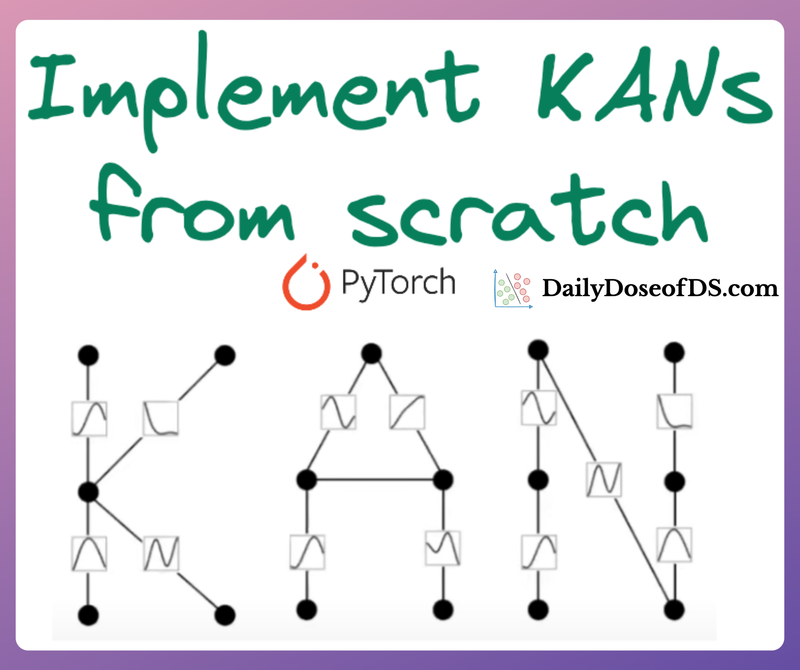
A step-by-step demonstration of an emerging neural network architecture — KANs.
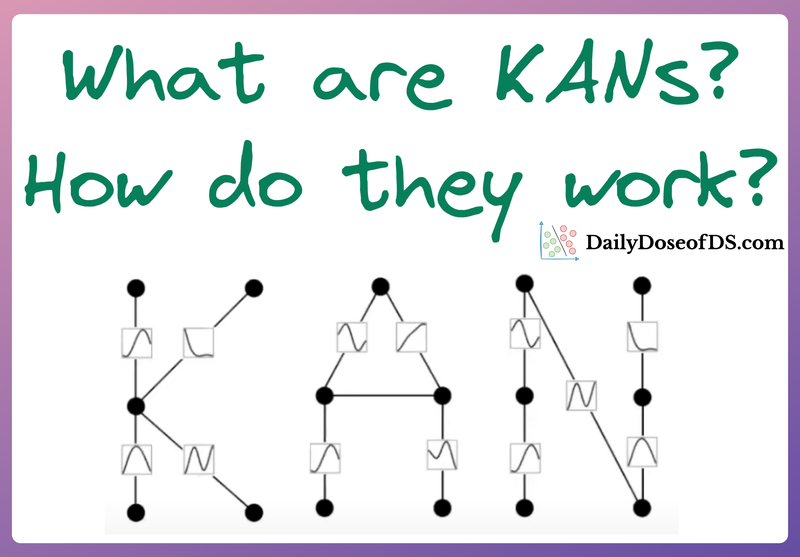
What are KANs, how are they trained, and what makes them so powerful?
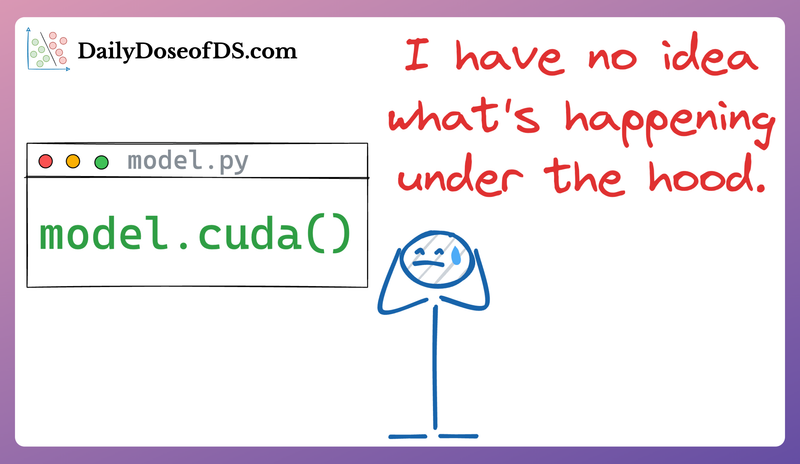
A beginner-friendly guide for curious minds who don't know the internal workings of model.cuda().
8 data science lesson I wish I had known earlier.
Techniques that help you become a "machine learning engineer" from a "machine learning model developer."
Immensely simplify deep learning model building with PyTorch Lightning.
Understanding the tradeoffs between RAG and Fine-tuning, and owning the model vs. using a third-party host.
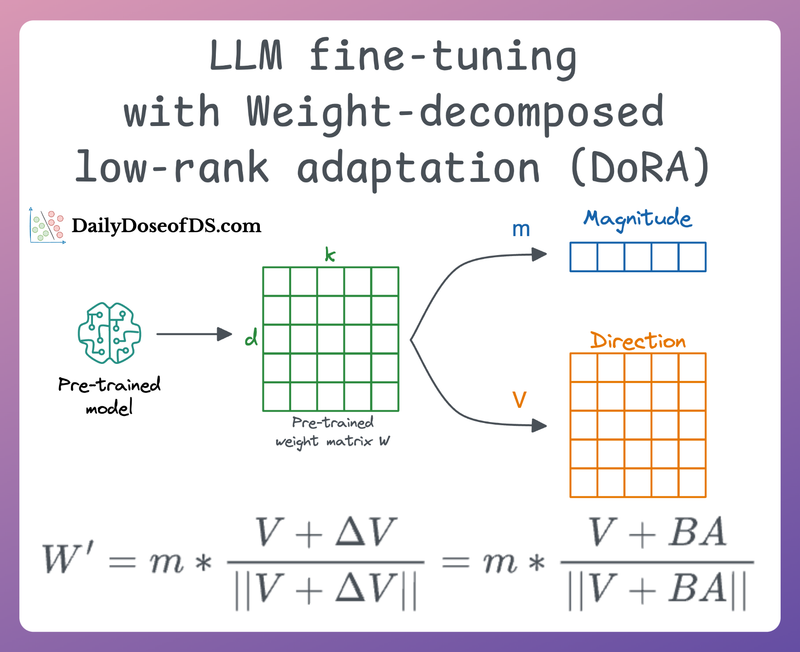
A powerful LoRA-variant explained in a beginner-friendly way and implemented in PyTorch.