LLMs
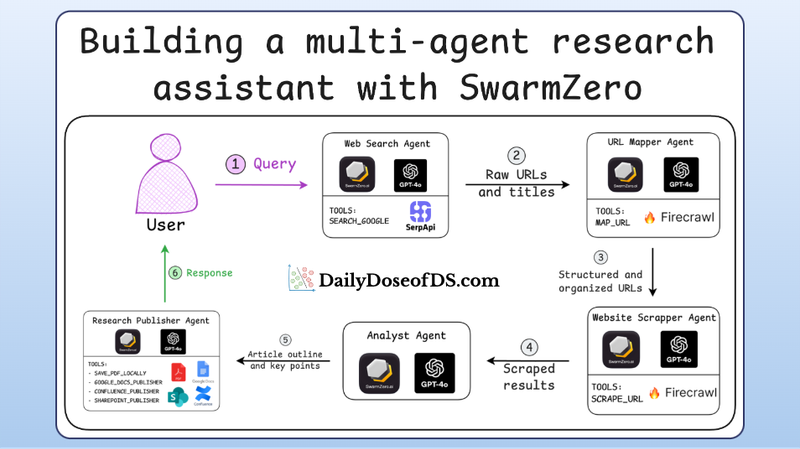
Build a Multi-agent Research Assistant With SwarmZero
Your own PerplexityAI (100% local).

367 posts published
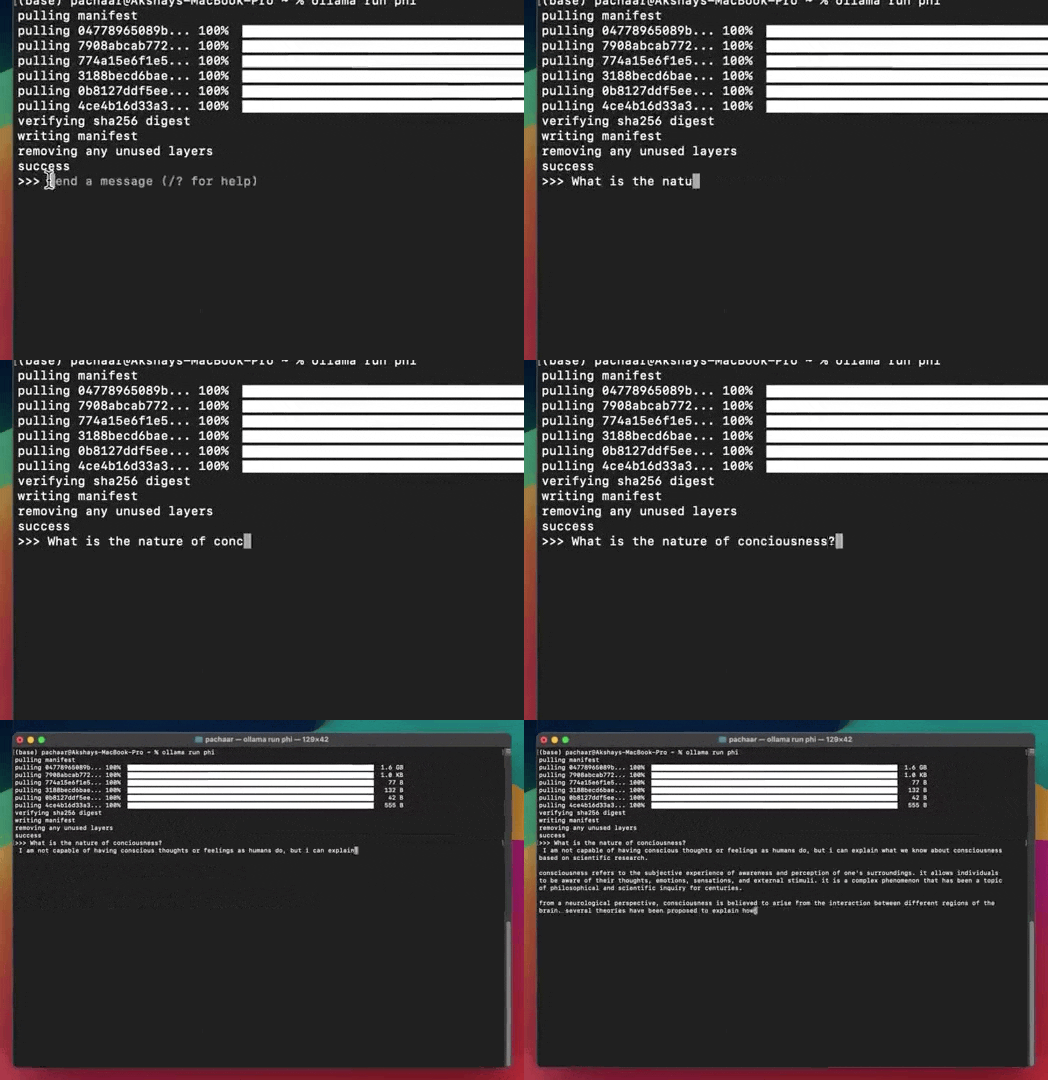
Your own PerplexityAI (100% local).
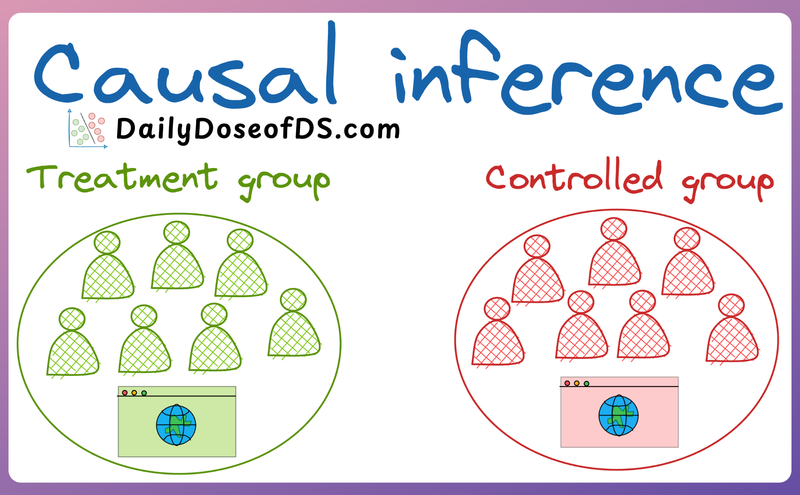
A guide to building robust decision-making systems in businesses with causal inference.
A step-by-step hands-on guide.
A deep dive into evaluating RAG systems (with implementations).
Beginner-friendly and with implementation.
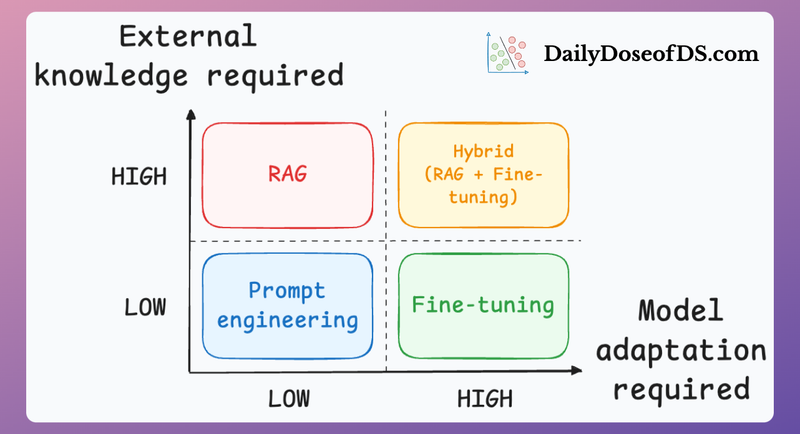
Which one is best for you?
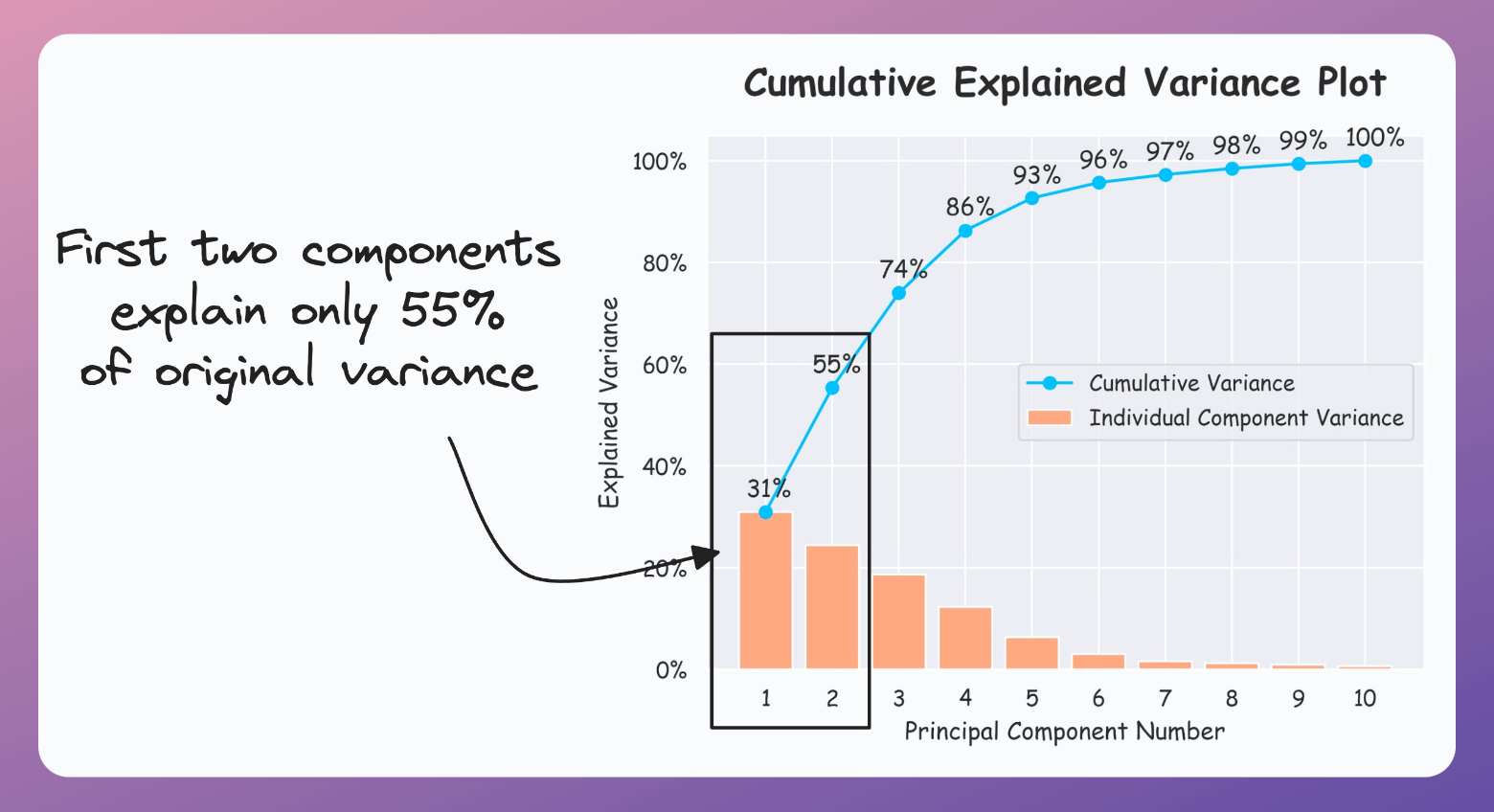
...this plot says so.
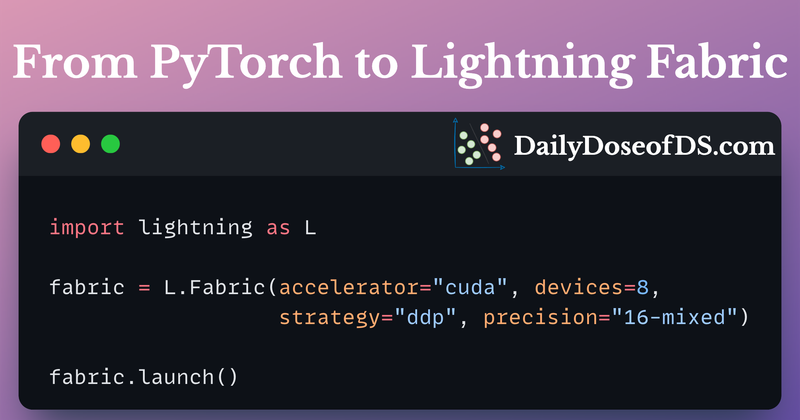
Scale model training with 4 small changes.
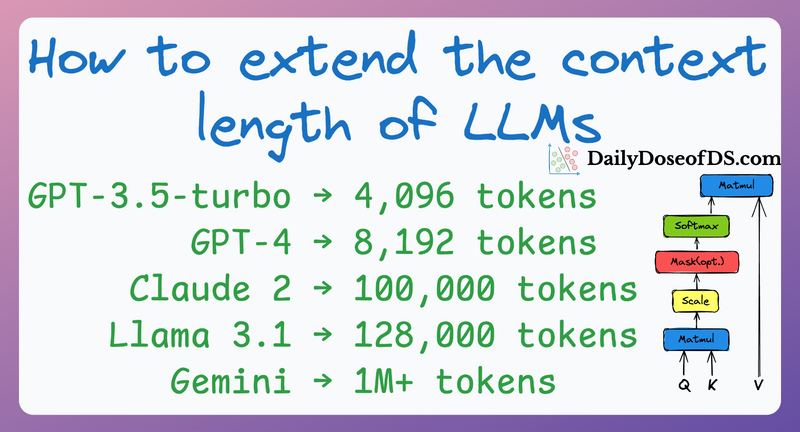
Key techniques, explained in simple terms.
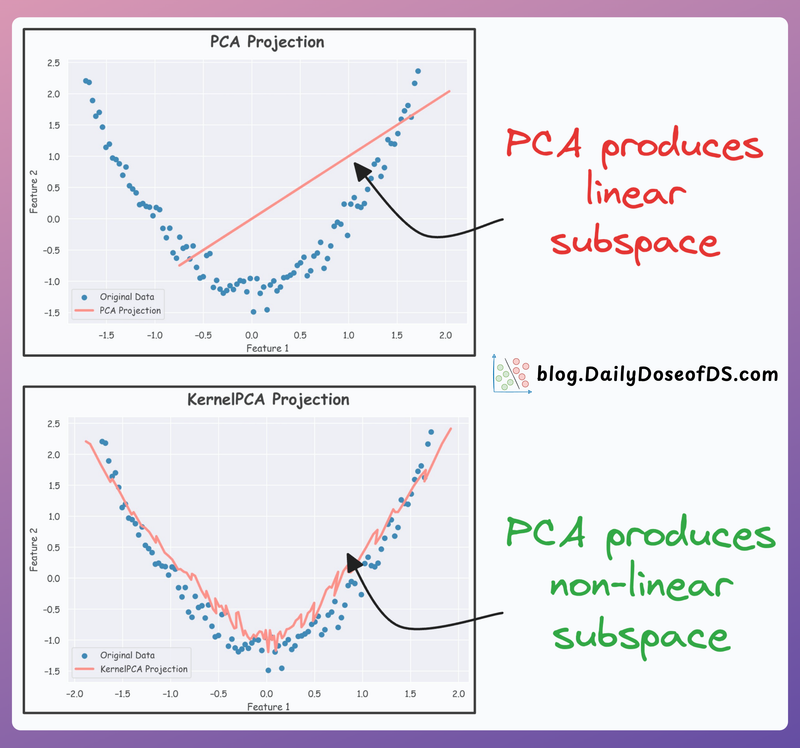
...and when to not use KernelPCA
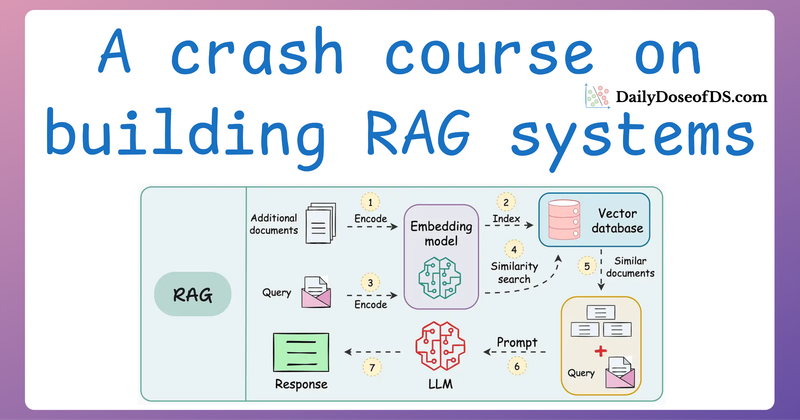
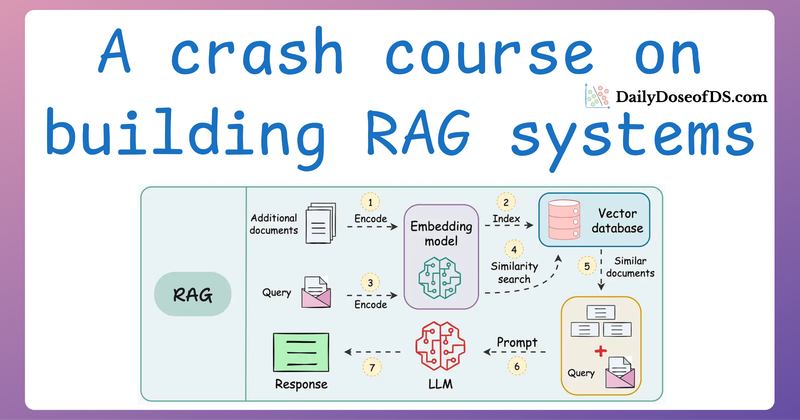
A practical and beginner-friendly crash course on building RAG apps (with implementations).
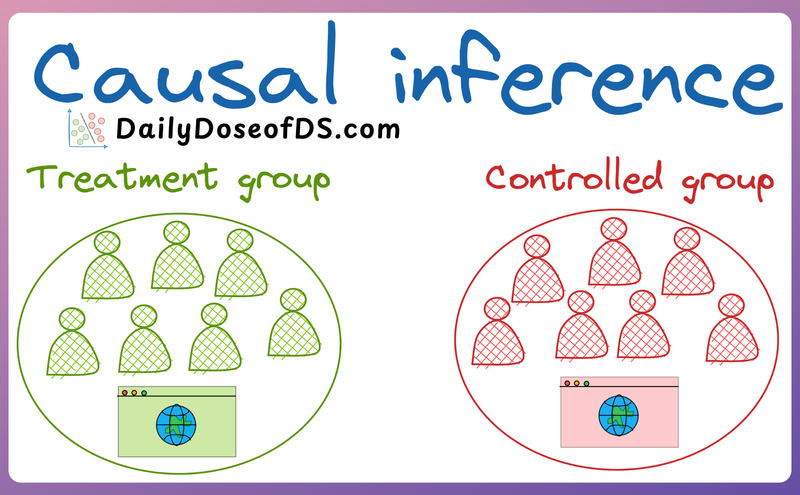
A guide to building robust decision-making systems in businesses with causal inference.
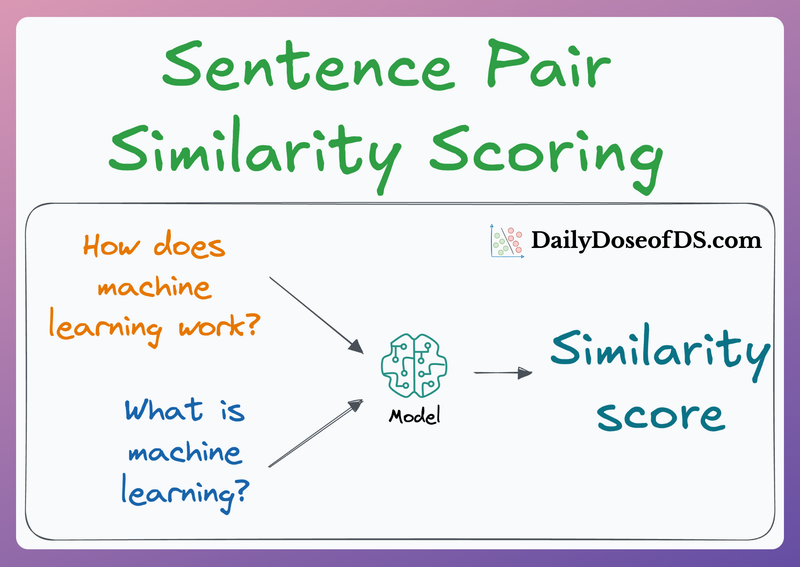
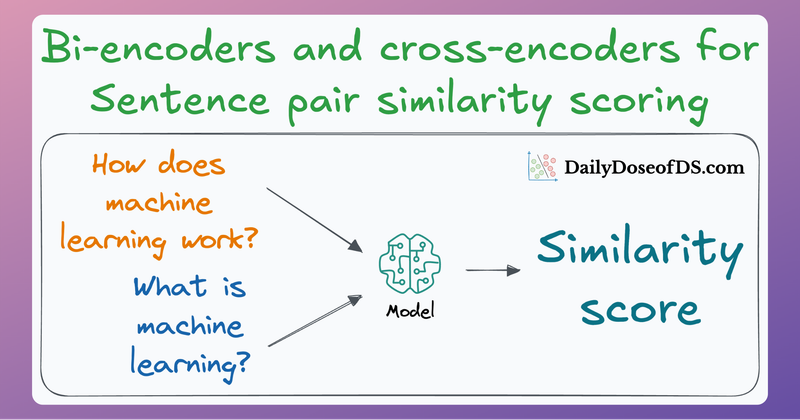
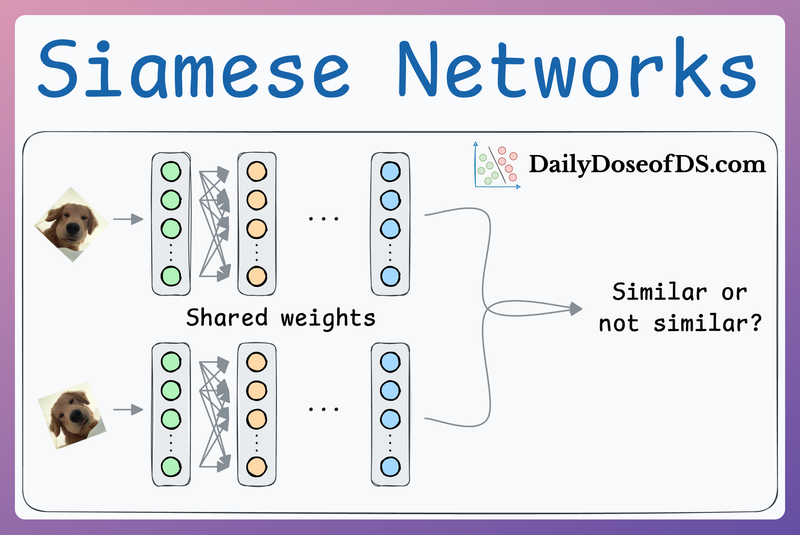
A deep dive into extensions of cross-encoders and bi-encoders for sentence pair similarity.
...explained in a single frame.
A deep dive into why BERT isn't effective for sentence similarity and advancements that shaped this task forever.
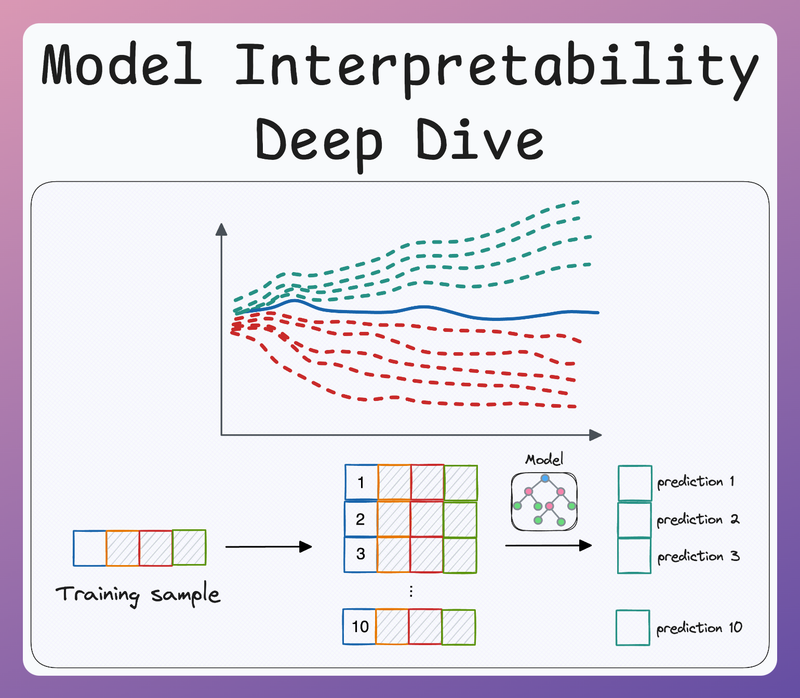
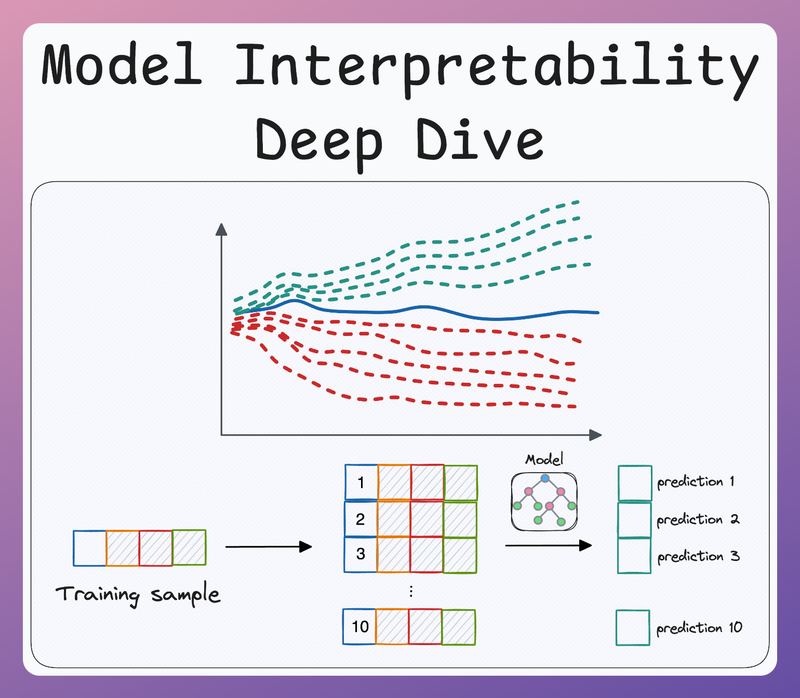
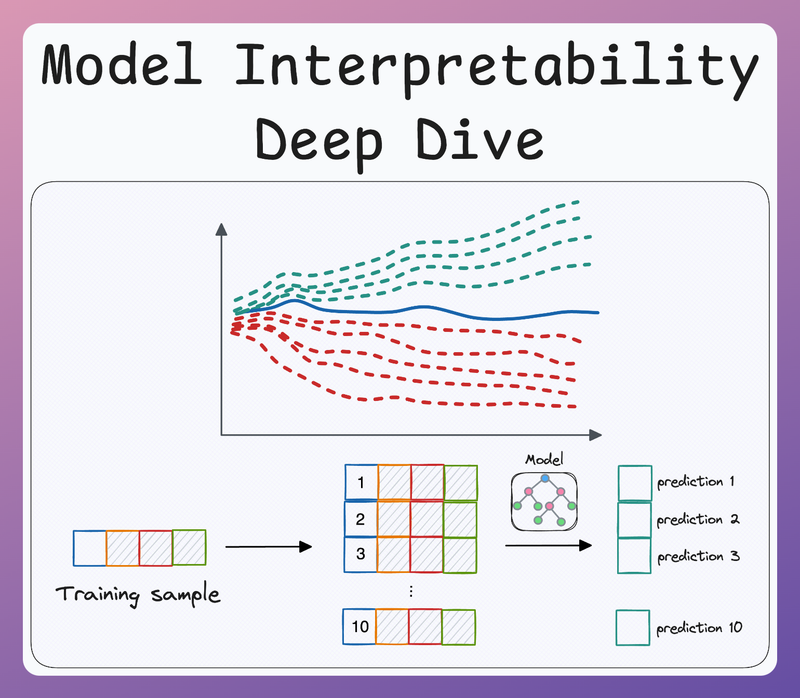
A deep dive into interpretability methods, why they matter, along with their intuition, considerations, how to avoid being misled, and code.
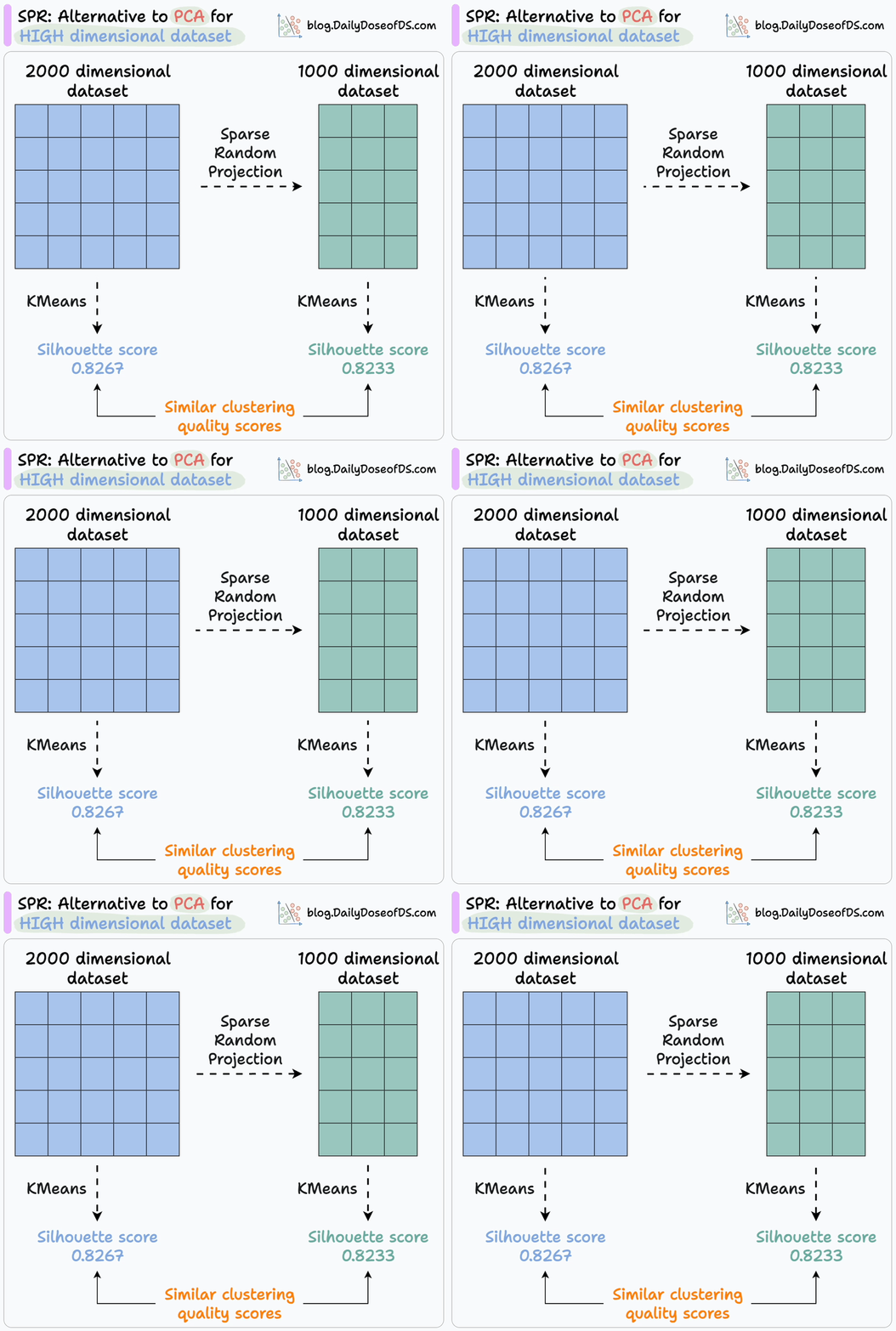
An alternative to PCA for highly dimensional datasets.
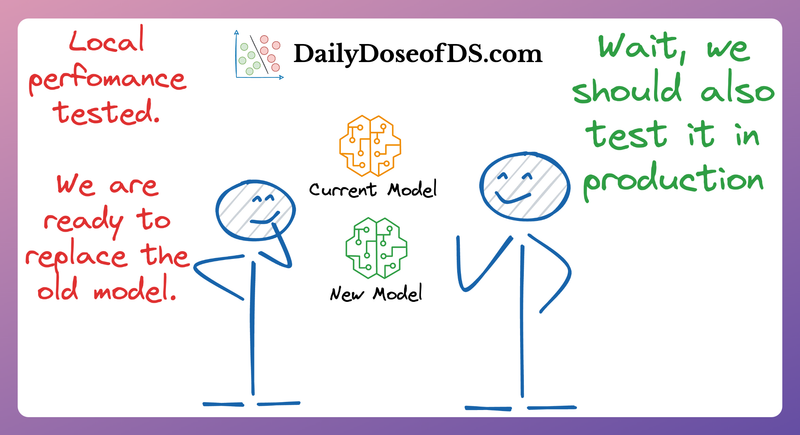
A beginner-friendly guide to model testing.
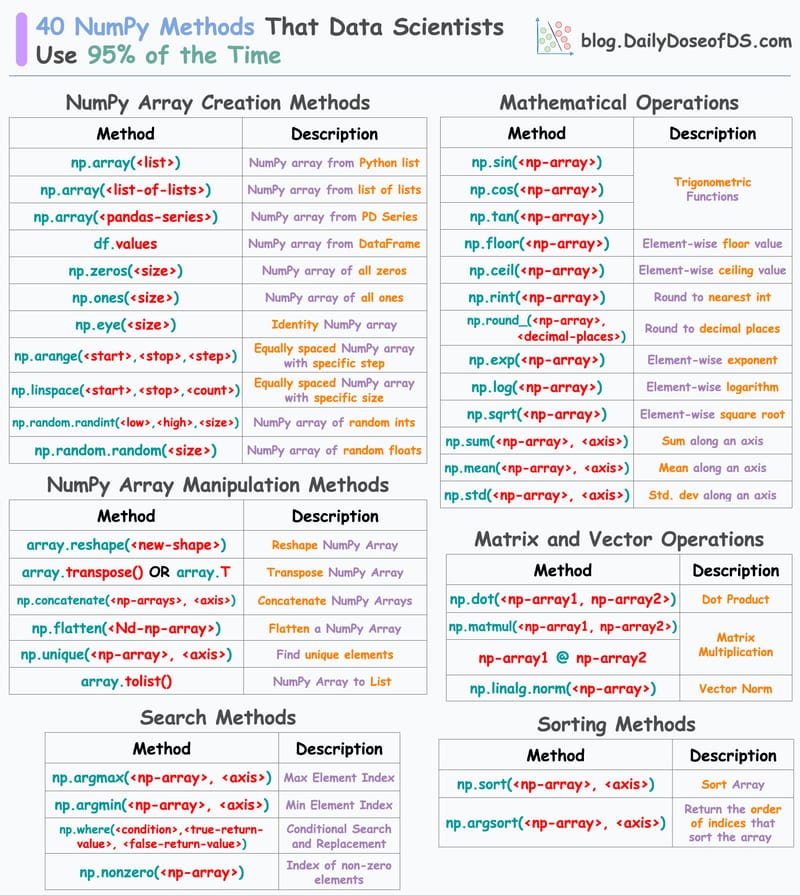
40 most used methods.
A deep dive into interpretability methods, why they matter, along with their intuition, considerations, how to avoid being misled, and code.
A beginner-friendly implementation guide.
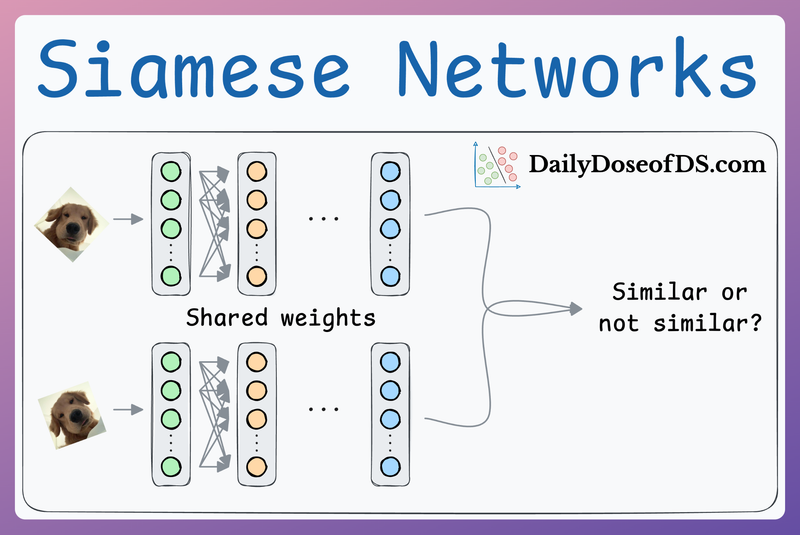
Building a face unlock system.
A deep dive into PDPs and ICE plots, along with their intuition, considerations, how to avoid being misled, and code.
Modern neural networks being trained today are highly misleading. They appear to be heavily overconfident in their predictions. For instance, if a model predicts an event with a 70% probability, then ideally, out of 100 such predictions, approximately 70 should result in the event occurring. However, many experiments have revealed
* Google Maps uses graph ML for ETA prediction. * Pinterest uses graph ML (PingSage) for recommendations. * Netflix uses graph ML (SemanticGNN) for recommendations. * Spotify uses graph ML (HGNNs) for audiobook recommendations. * Uber Eats uses graph ML (a GraphSAGE variant) to suggest dishes, restaurants, etc. The list could go on since almost
Typically, the parameters of a neural network (layer weights) are represented using 32-bit floating-point numbers. The rationale is that since the parameters of an ML model are not constrained to any specific range of values, assigning a data type to parameters that cover a wide range of values is wise
A completely hands-on and beginner-friendly deep dive on PySpark using Databricks.
...by changing just one line of code.
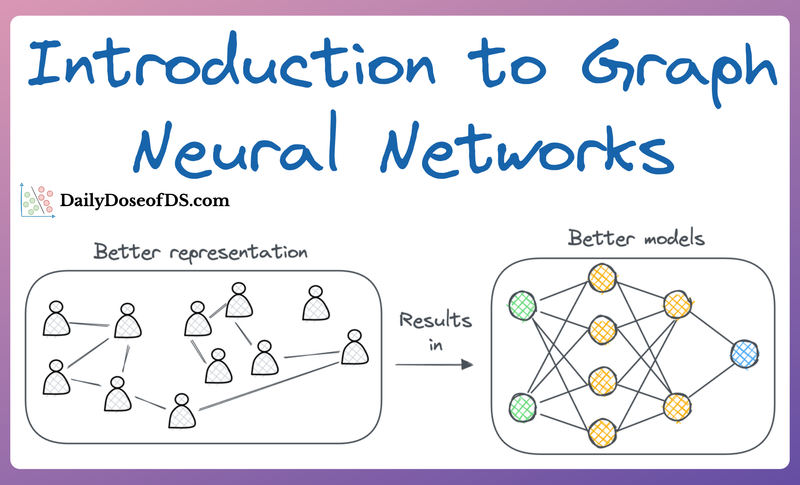
A practical and beginner-friendly guide to building neural networks on graph data.
A better and intuitive technique to model compression.