LLMOps
KV Cache Engineering for LLM Serving
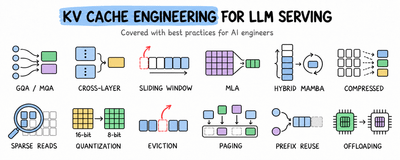
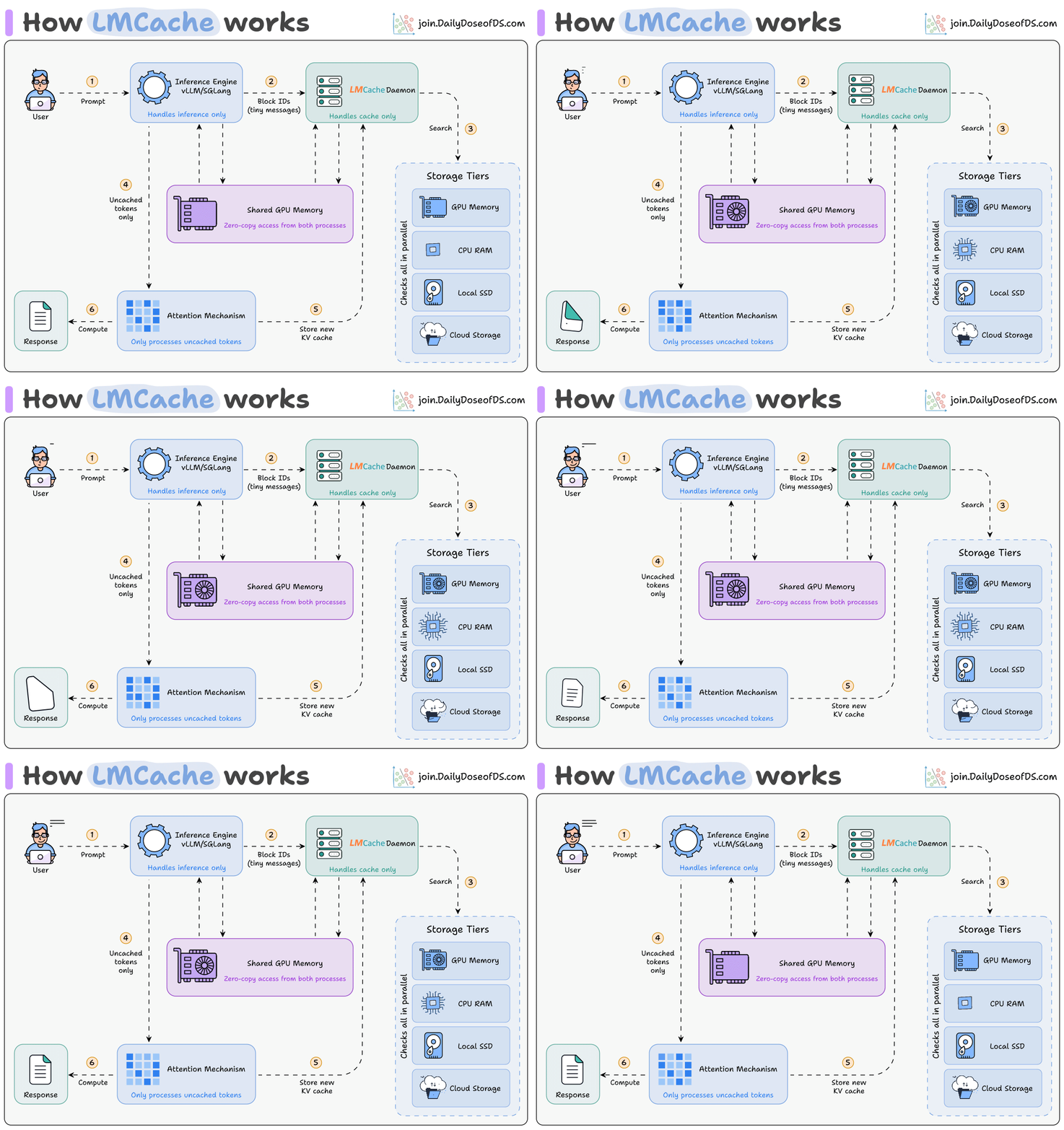
12 techniques to manage KV cache in production.
A collection of 25 posts
12 techniques to manage KV cache in production.
...explained with best practices in production.
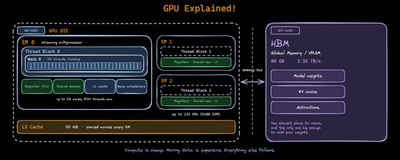
The intuition an LLM engineer needs, without the hardware manual. By the end, techniques like quantization, speculative decoding, and continuous batching should stop looking like a list of tricks to memorize.
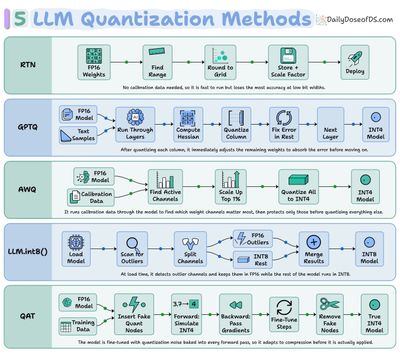
...explained visually.
...explained visually.
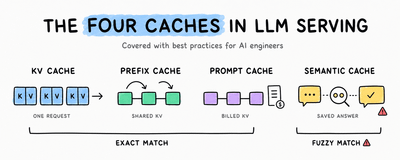
A practitioner's guide to KV cache management in production.
...explained with usage.
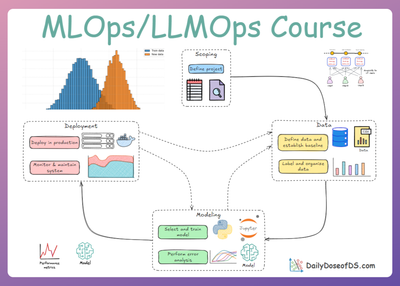
An exploration of real-world MLOps and LLMOps case studies, examining the importance of reliable ML and AI engineering and their significance for business outcomes.
LLMOps Part 14: An overview of the fundamentals of LLM serving, including API-based access, inference with vLLM, and practical decisions.
LLMOps Part 13: Exploring the mechanics of LLM inference, from prefill and decode phases to KV caching, batching, and optimization techniques that improve latency and throughput.
LLMOps Part 12: Understanding LLM fine-tuning, parameter-efficient methods like LoRA and QLoRA, and alignment techniques such as RLHF, DPO, and GRPO.
LLMOps Part 10: Understanding model benchmarks, LLM application evaluation, and tooling.
LLMOps Part 9: A foundational guide to the evaluation of LLM applications, covering challenges and a practical taxonomy of evaluation methods.
LLMOps Part 8: A concise overview of memory, dynamic and temporal context in LLM systems, covering short and long-term memory, dynamic context injection, and some of the common context failure modes in agentic applications.
LLMOps Part 7: A conceptual overview of context engineering, covering context types, context construction principles, and retrieval-centric techniques for building high-signal inputs.
LLMOps Part 6: Exploring prompt versioning, defensive prompting, and techniques such as verbalized sampling, role prompting and more.
LLMOps Part 5: An introduction to prompt engineering (a subset of context engineering), covering prompt types, the prompt development workflow, and key techniques in the field.
LLMOps Part 4: An exploration of key decoding strategies, sampling parameters, and the general lifecycle of LLM-based applications.
LLMOps Part 2: A detailed walkthrough of tokenization, embeddings, and positional representations, building the foundational translation layer that enables LLMs to process and reason over text.
LLMOps Part 1: An overview of AI engineering and LLMOps, and the core dimensions that define modern AI systems.
MLOps Part 5: A detailed walkthrough of data engineering for MLOps, covering data sources, format performance trade-offs, and ETL/ELT pipelines.
MLOps Part 4: A practical walkthrough of W&B-powered reproducibility.
MLOps Part 3: A practical exploration of reproducibility and versioning, covering deterministic training, data and model versioning, and experiment tracking.
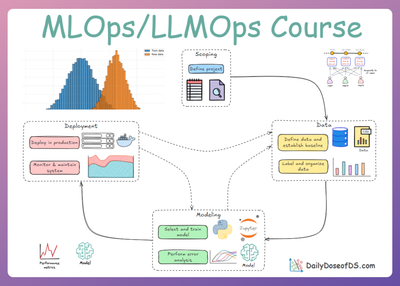
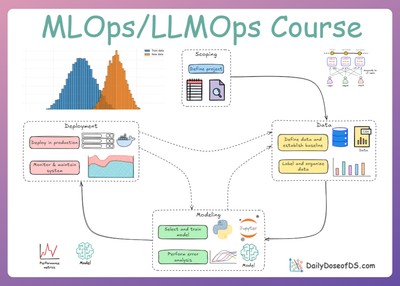
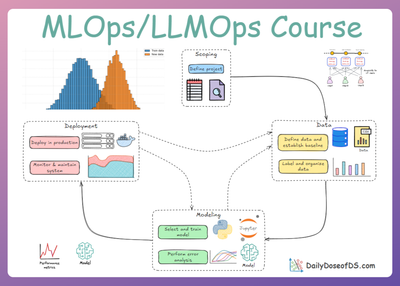
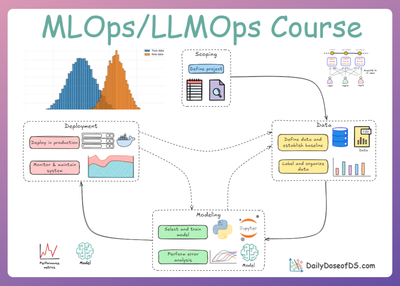
MLOps Part 2: A deeper look at the ML lifecycle, plus a minimal train-to-API and containerization demo using FastAPI and Docker.
MLOps Part 1: An introduction to machine learning in production, covering pitfalls, system-level concerns, and an overview of the full ML lifecycle.