
Course content
- Agentic Systems 101: Fundamentals, Building Blocks, and How to Build Them (Part A)
- Agentic Systems 101: Fundamentals, Building Blocks, and How to Build Them (Part B)
- Building Flows in Agentic Systems (Part A)
- Building Flows in Agentic Systems (Part B)
- Advanced Techniques to Build Robust Agentic Systems (Part A)
- Advanced Techniques to Build Robust Agentic Systems (Part B)
- A Practical Deep Dive Into Knowledge for Agentic Systems
- A Practical Deep Dive Into Memory for Agentic Systems (Part A)
- A Practical Deep Dive Into Memory for Agentic Systems (Part B)
- Implementing ReAct Agentic Pattern From Scratch
- Implementing Planning Agentic Pattern From Scratch
- Implementing Multi-agent Agentic Pattern From Scratch
- 10 Practical Steps to Improve Agentic Systems (Part A)
- 10 Practical Steps to Improve Agentic Systems (Part B)
- A Practical Deep Dive Into Memory Optimization for Agentic Systems (Part A)
- A Practical Deep Dive Into Memory Optimization for Agentic Systems (Part B)
- A Practical Deep Dive Into Memory Optimization for Agentic Systems (Part C)
Given the scale and capabilities of modern LLMs, it feels limiting to use them as “standalone generative models” for pretty ordinary tasks like text summarization, text completion, code completion, etc.
Instead, their true potential is only realized when you build systems around these models, where they are allowed to:
- access, retrieve, and filter data from relevant sources,
- analyze and process this data to make real-time decisions and more.
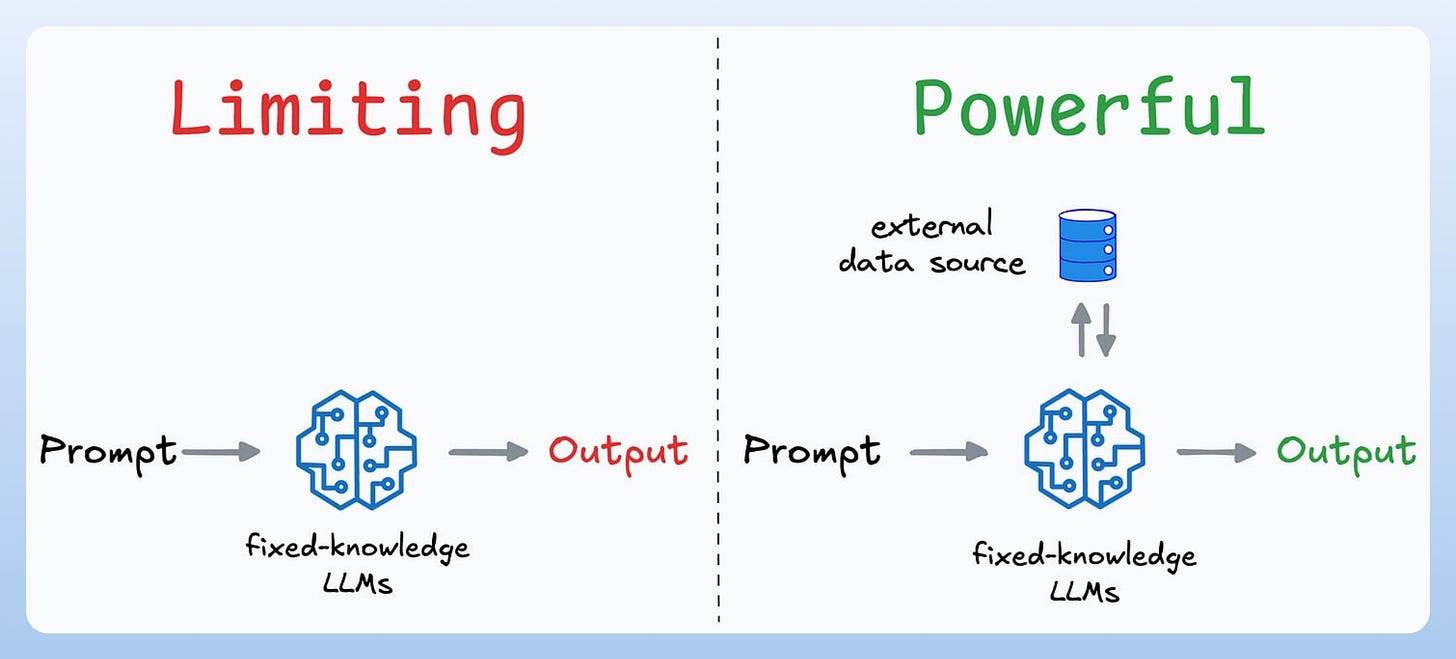
RAG was a pretty successful step towards building such compound AI systems:
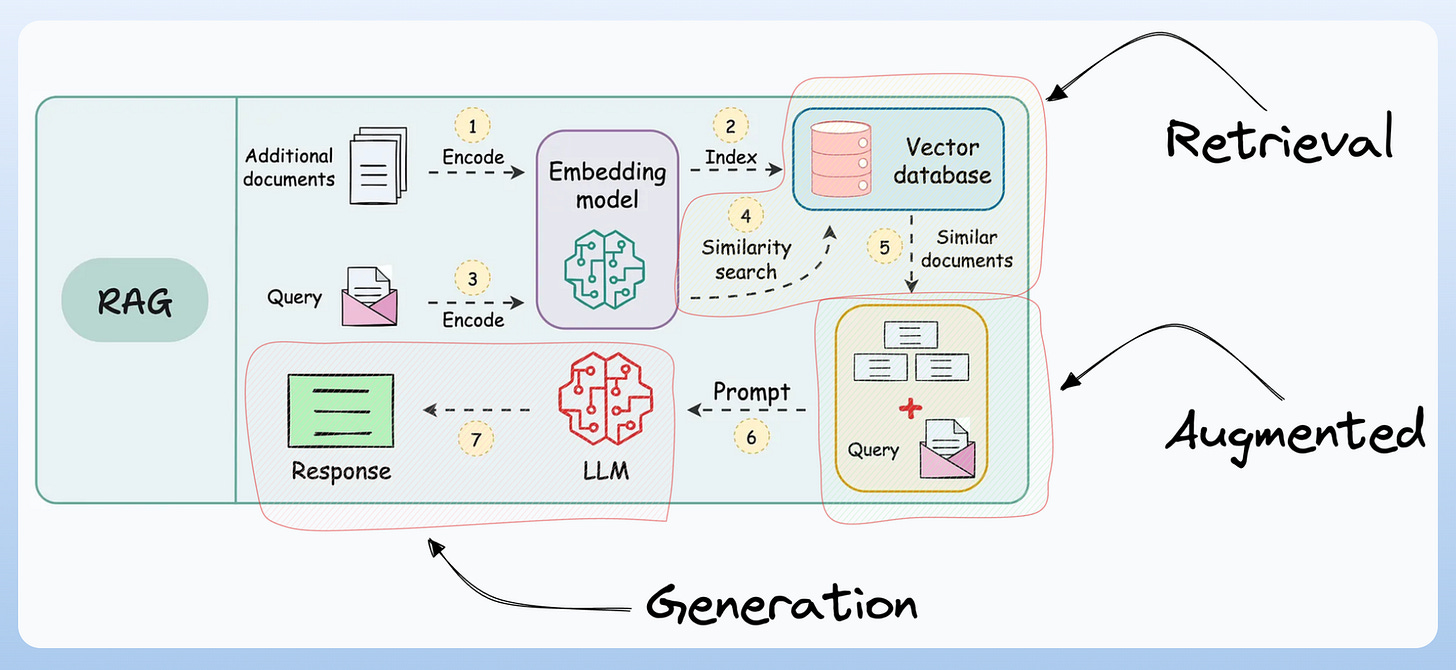
But since most RAG systems follow a programmatic flow (you, as a programmer, define the steps, the database to search for, the context to retrieve, etc.), it does not unlock the full autonomy one may expect these compound AI systems to possess in some situations.
That is why the primary focus in 2024 was (and going ahead in 2025 will be) on building and shipping AI Agents.
These are autonomous systems that can reason, think, plan, figure out the relevant sources and extract information from them when needed, take actions, and even correct themselves if something goes wrong.
In this full crash course, we shall cover everything you need to know about building robust Agentic systems, starting from the fundamentals.
Of course, if you have never worked with LLMs, that’s okay.
We cover everything in a practical and beginner-friendly way.