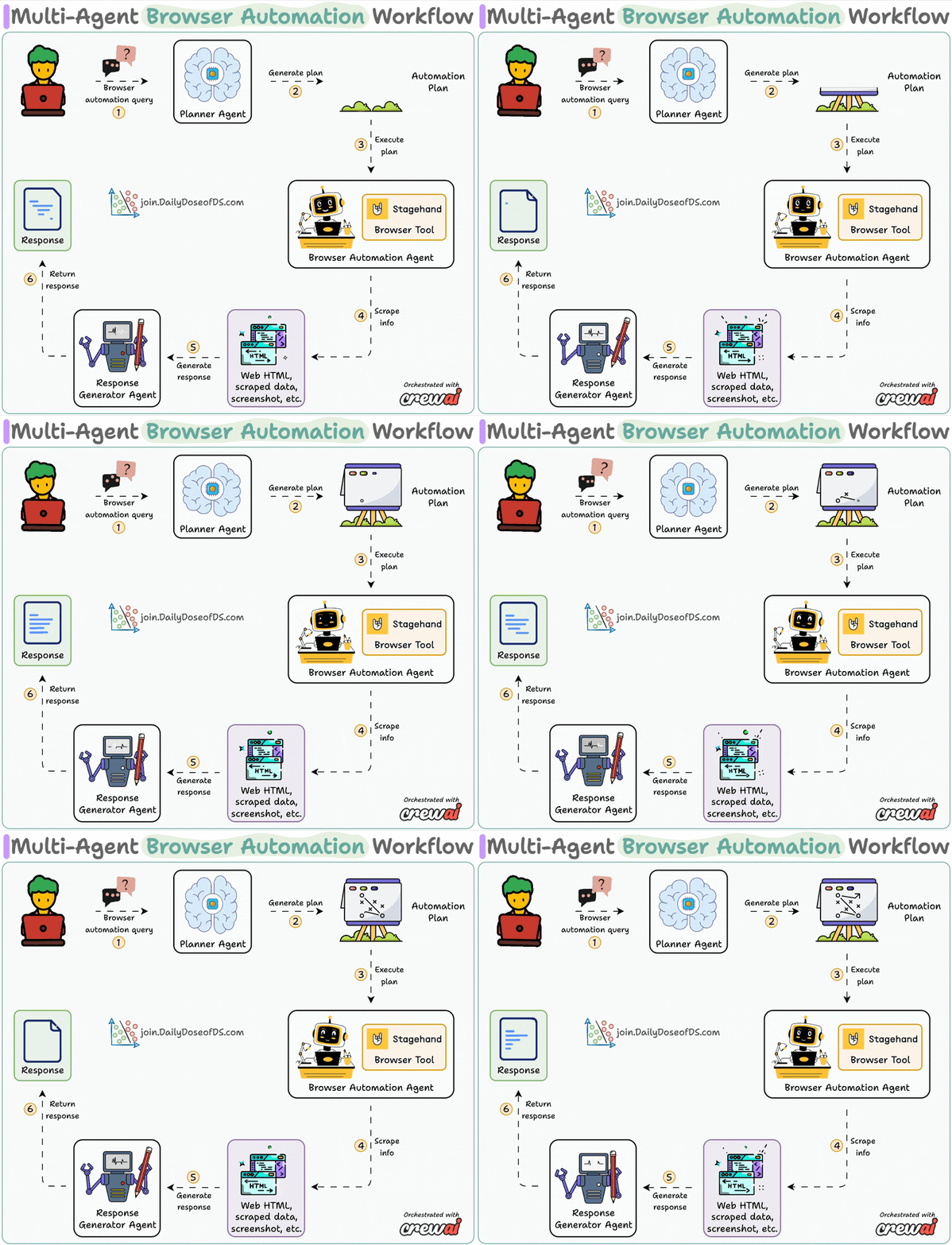
​Building a Browser Automation Agent​
...explained visually and with code.
410 posts published
...explained visually and with code.
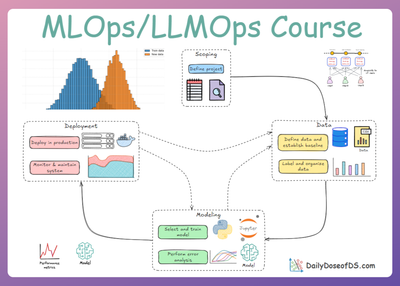
MLOps Part 3: A practical exploration of reproducibility and versioning, covering deterministic training, data and model versioning, and experiment tracking.
...explained step-by-step with code.
MLOps Part 2: A deeper look at the ML lifecycle, plus a minimal train-to-API and containerization demo using FastAPI and Docker.
...explained step-by-step with code.
MLOps Part 1: An introduction to machine learning in production, covering pitfalls, system-level concerns, and an overview of the full ML lifecycle.
...explained visually.
MCP Part 9: Building a full-fledged research assistant with MCP and LangGraph.
...explained step-by-step with code.
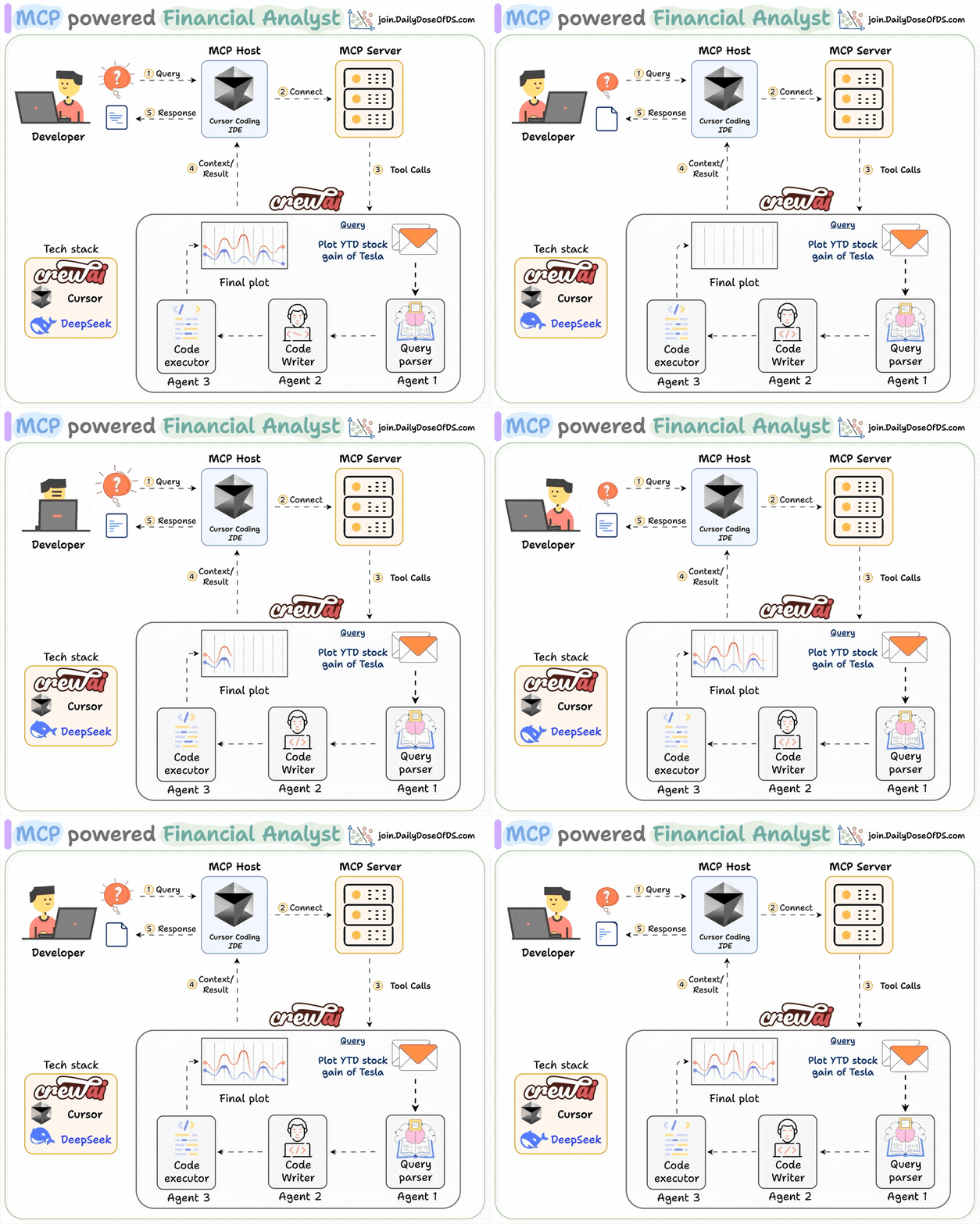
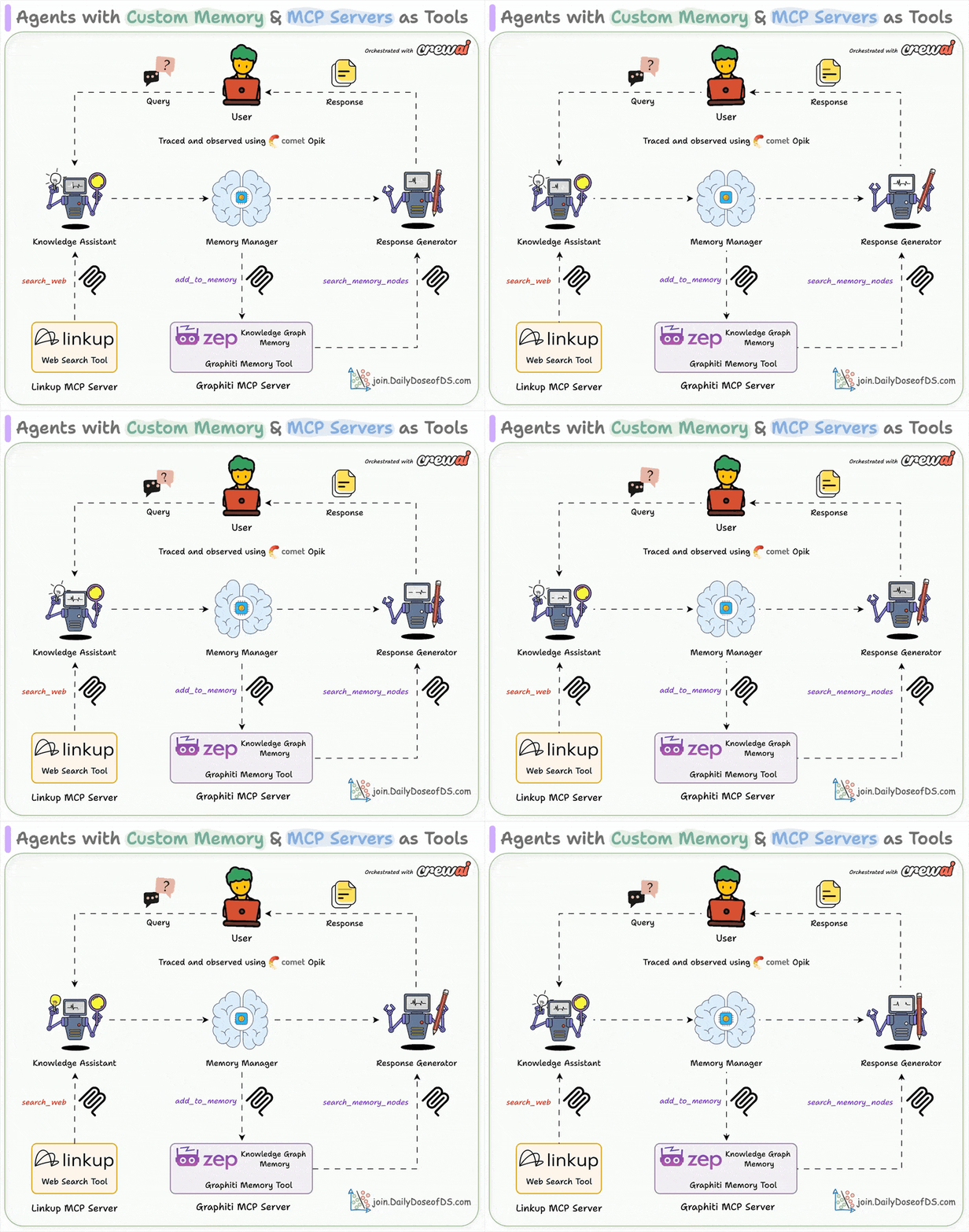
..powered with MCP + Tools + Memory + Observability.
MCP Part 8: Integration of the model context protocol (MCP) with LangGraph, LlamaIndex, CrewAI, and PydanticAI.
Hands-on demo.
MCP Part 7: A deep dive into understanding sandboxing and its need in MCP.
Understanding every little detail on vector databases and their utility in LLMs, along with a hands-on demo.
MCP Part 6: An overview of testing using the MCP Inspector, and a discussion of common vulnerabilities, mitigation strategies, and MCP Roots.
MCP Part 5: A deep dive into sampling, its working, code, use cases and best practices.
MCP Part 4: An in-depth exploration of MCP resources and prompts, followed by a hands-on demonstration of an MCP server utilizing tools, resources, and prompts for job search and analysis.
MCP Part 3: A step-by-step and from scratch implementation of the MCP client, plus a comparative overview of how MCP differs from both API and function calling.
100% locally.
MCP Part 2: An overview of key MCP primitives (capabilities), the MCP communication protocol and hands-on examples.
...explained with visuals.
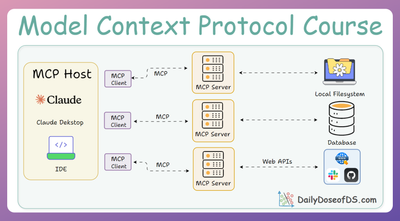
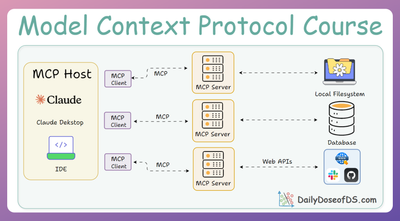
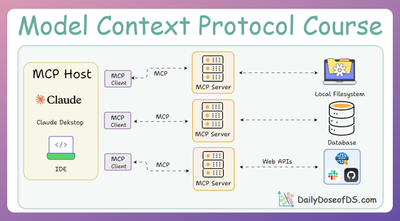
MCP Part 1: An introduction to model context protocol (MCP), covering background, need and an overview of the architecture and operational mechanics.
...explained step-by-step.
Techniques used in DeepSeek, Llama 4, and Gemma.
A from-scratch implementation of Llama 4 LLM, a mixture-of-experts model, using PyTorch code.
...with complete code walkthrough and explanation.
AI Agents Crash Course—Part 14 (with implementation).