Building Trustworthy Agentic/RAG Workflows
...explained step-by-step with code.

Avi Chawla
...explained step-by-step with code.
It is common for RAG systems to produce inaccurate/unhelpful responses.
Today, let’s look at how we can improve this using Cleanlab Codex, which is commonly used in production systems to automatically detect and resolve RAG inaccuracies.
Tech stack:
Here's the workflow:
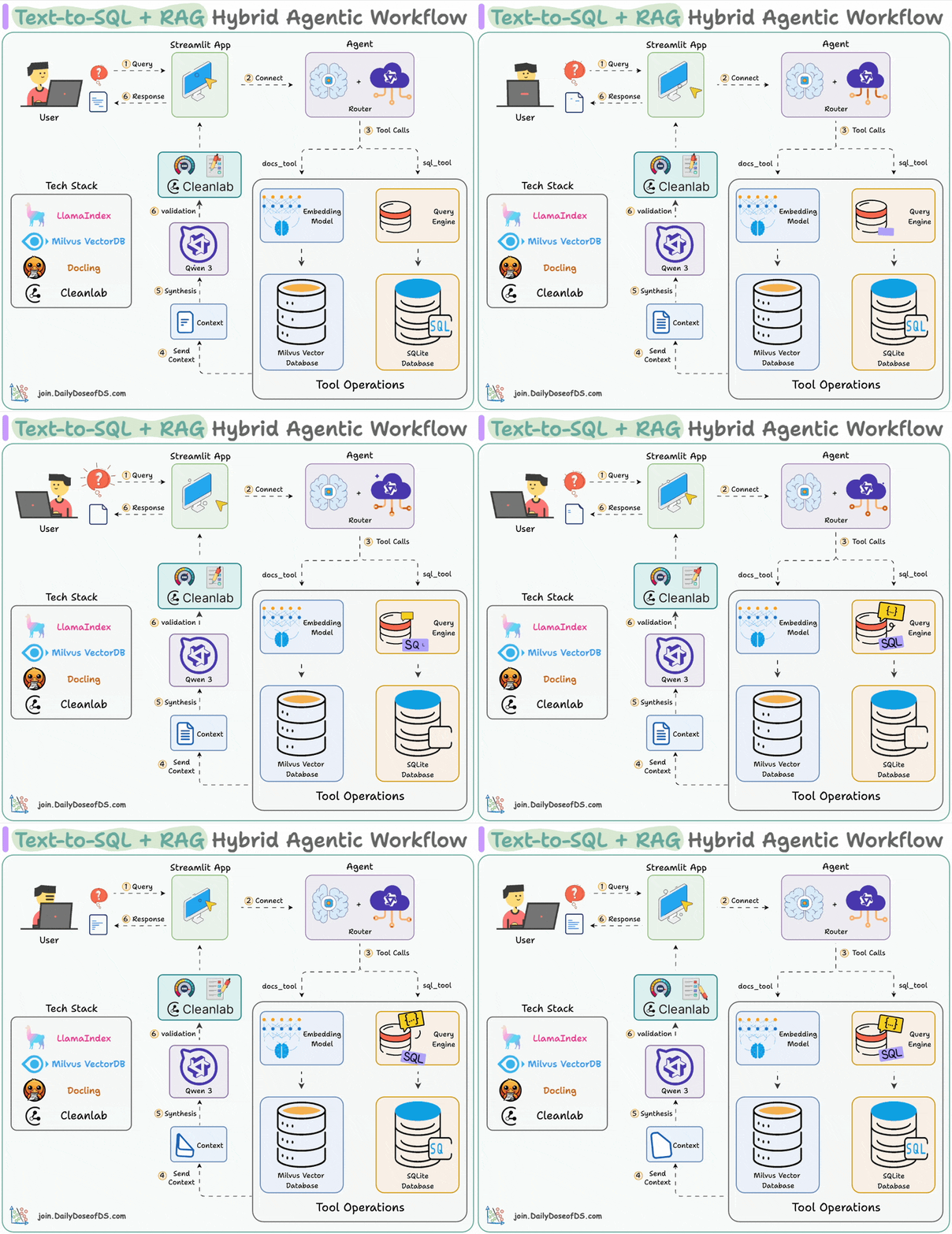
The video below depicts this entire system in action:
Now, let's see the code!
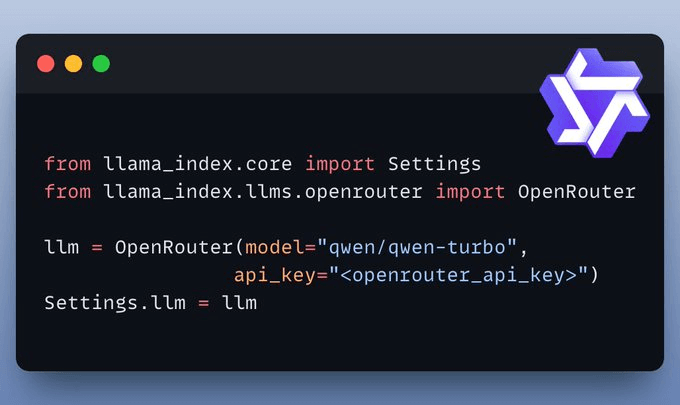
We'll use the latest Qwen3, served via OpenRouter.
Ensure the LLM supports tool calling for seamless execution.
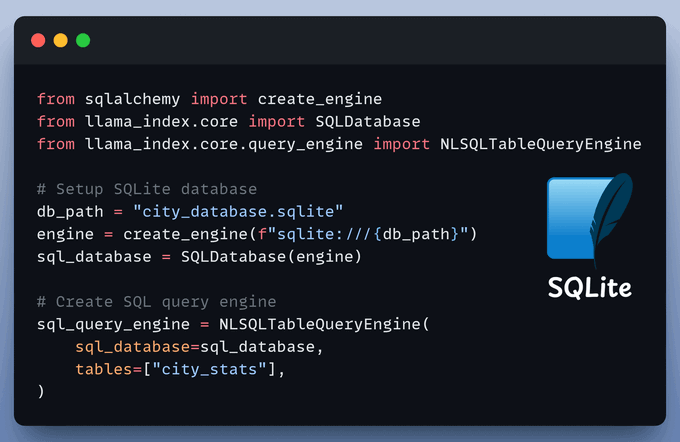
A Natural Language to SQL Engine turns plain queries into SQL commands, enabling easy data interaction.
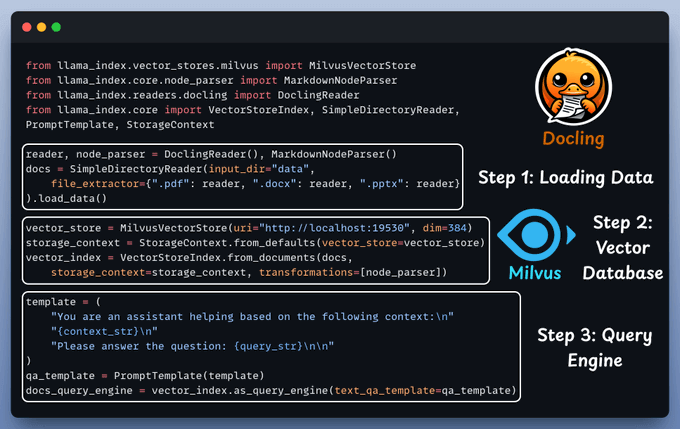
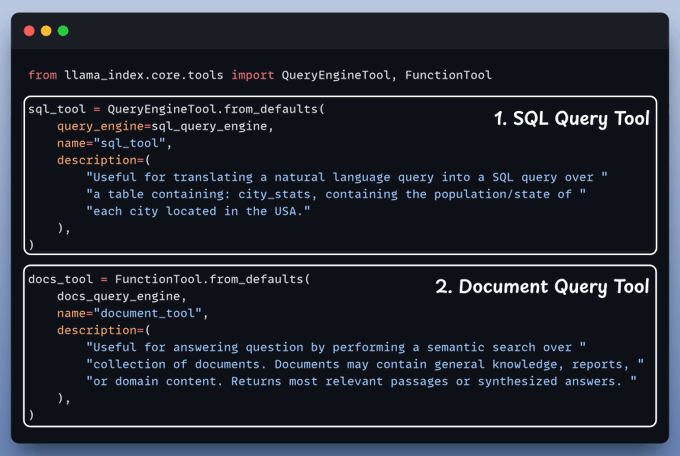
Now, it's time to set up and use both the query engines we defined above as tools. Our Agent will then smartly route the query to it's right tools.
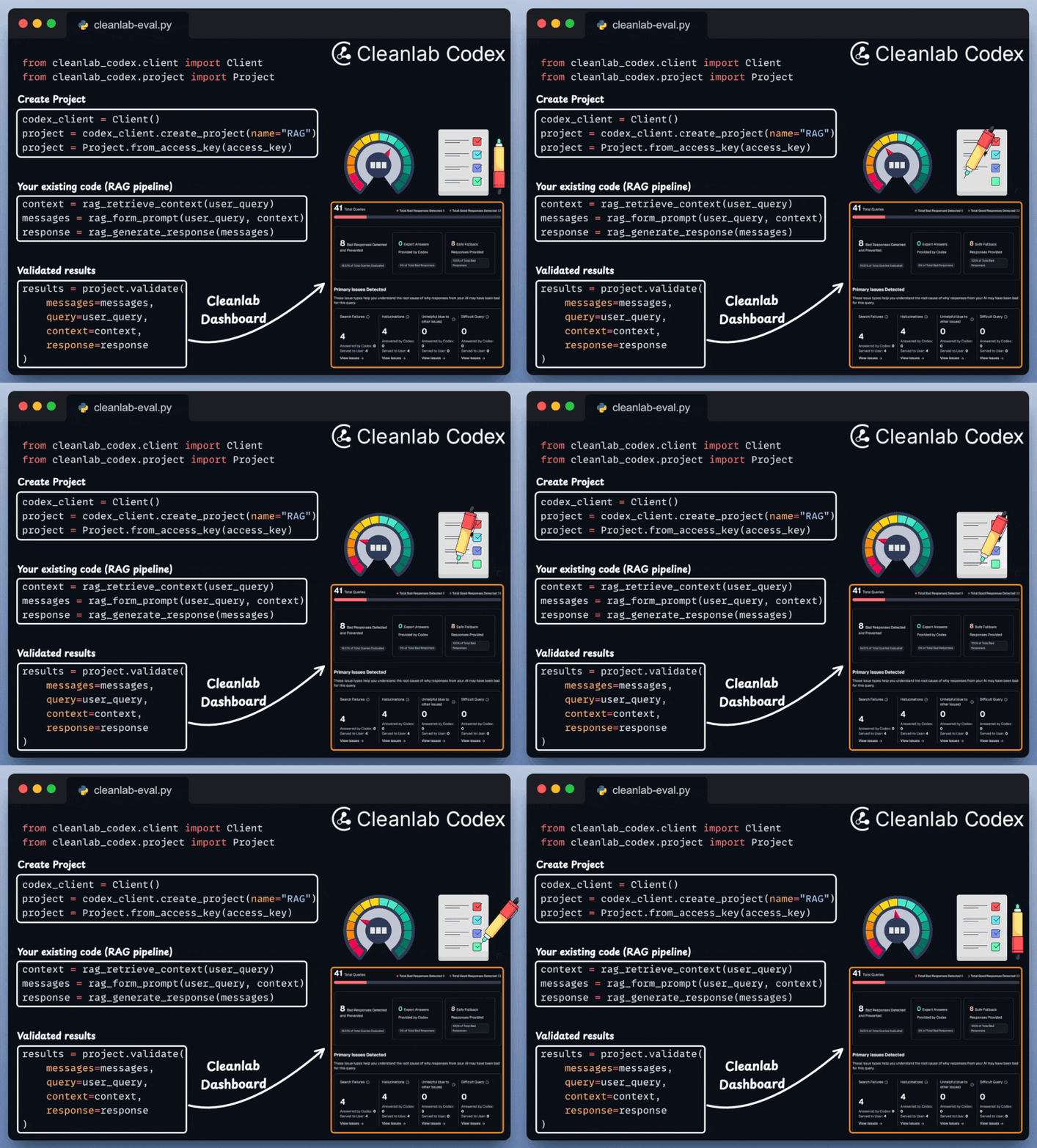
Next, we integrate Cleanlab Codex to evaluate and monitor the RAG app in just a few lines of code:
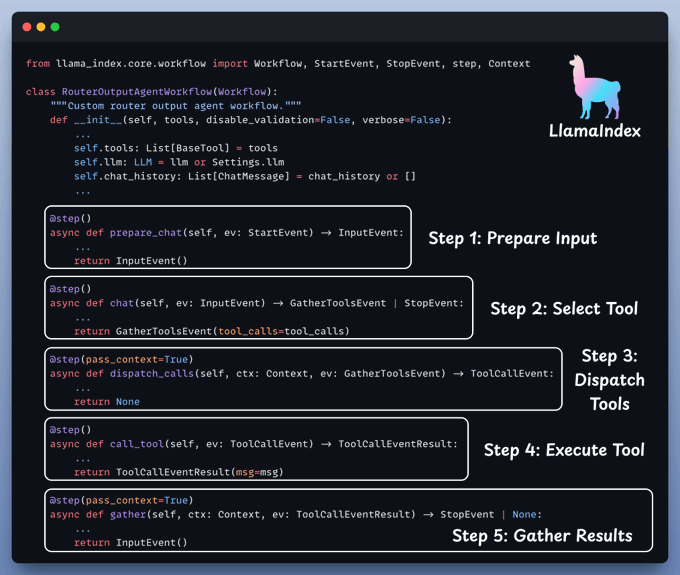
With everything set up, let's create our agentic routing workflow.
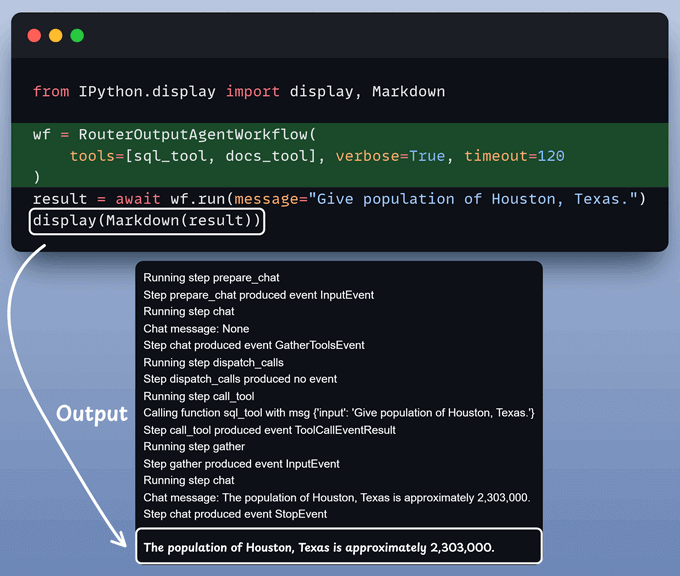
With everything set, it's time to activate our workflow.
We begin by equipping LLM with two tools: Document & Text-to-SQL Query.
After that, we invoke the workflow:
To enhance user-friendliness, we present everything within a clean and interactive Streamlit UI.
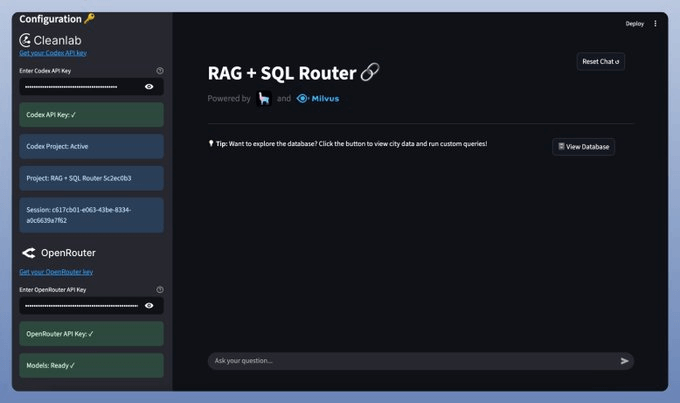
Upon prompting, notice that the app displays a Trust Score on the generated response.
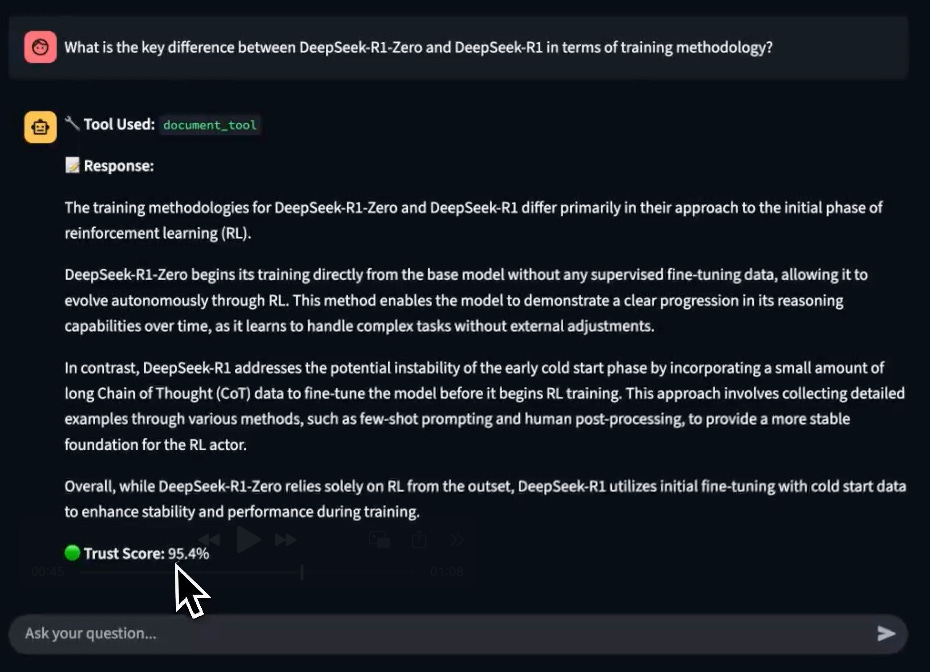
This is incredibly important for RAG/Agentic workflows that are quite susceptible to inaccuracies and hallucinations.
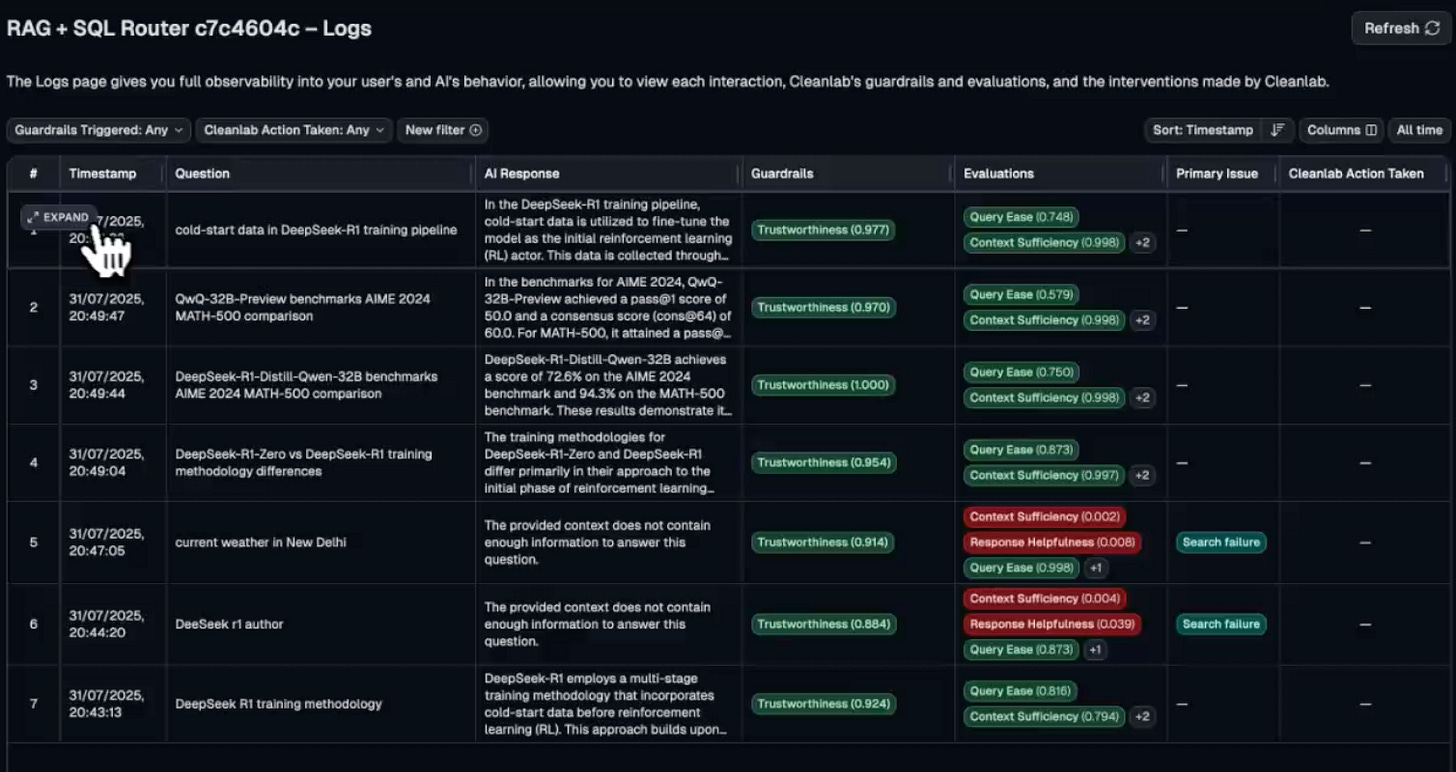
Along with this, we also get specific evaluation metrics along with detailed insights and reasoning for each test run:
Here’s the Codex documentation →
And you can find the code for today’s issue in this GitHub repo →
Thanks for reading!